Commercial tiles are rated for slip resistance under three main systems, and the one you specify depends on the destination market: in North America, ANSI A326.3 requires a wet DCOF (dynamic coefficient of friction) of at least 0.42 for level interior spaces expected to be walked on when wet; in Europe, the Middle East and much of Asia, the German ramp-test R-ratings R9–R13 (DIN 51130) are the working language; and in Australia and New Zealand, AS 4586 assigns pendulum P ratings P0–P5 plus A/B/C classes for wet barefoot areas. Specifying tiles from China is straightforward once you match the right rating system to the right area of the building. On projects like this, FBM Sourcing works as your dedicated sourcing partner.
This guide explains what each rating actually measures, which rating each area of a commercial project needs, and how to make sure the tiles that arrive in the container match the slip rating on the datasheet.
- US/Canada: wet DCOF ≥ 0.42 under ANSI A326.3 for level interior wet-walk areas (measured with a BOT-3000E tribometer).
- R-ratings (DIN 51130): R9 covers ramp angles of 6–10°, R10 10–19°, R11 19–27°, R12 27–35°, R13 above 35°.
- Australia: AS 4586 pendulum classes run P0–P5; P3 is the common minimum for internal wet areas, P4–P5 for external paths and ramps.
- Wet barefoot areas use DIN 51097 / AS 4586 classes A, B and C — B is the usual pool-surround minimum.
- Porcelain tiles to ISO 13006 / GB/T 4100 have water absorption ≤ 0.5%, the baseline for commercial floors.
What Is DCOF and Why Is 0.42 the Number That Matters?
DCOF measures the friction of a tile surface while a sensor is already moving across it wet — which is how real slips happen — unlike the older static test (ASTM C1028, now withdrawn) that measured friction from standstill. The governing document is ANSI A326.3, which sets the well-known acceptance criterion: a wet DCOF of at least 0.42 for level interior spaces expected to be walked on when wet. The test is run with a calibrated BOT-3000E tribometer using a standard wetting solution.
Two practical points project buyers miss. First, 0.42 is a minimum for one defined use case, not a universal pass mark — ANSI A326.3 also defines product-use categories for interior dry, exterior, ramps and oil-exposed areas, and an exterior pool deck needs more than the interior minimum. Second, DCOF is measured on the production surface: a polished version of the same porcelain series will test differently from the matt or grip version, so the rating belongs to the finish, not the collection name. Our comparison of porcelain vs ceramic tiles for commercial projects covers how surface finish interacts with body type.
R-Ratings (DIN 51130): What R9 to R13 Actually Mean
The R system comes from a German ramp test: an operator in standard boots walks on an oiled, adjustable ramp surfaced with the tile, and the angle at which they lose grip sets the class. The scale starts at R9 — there is no R1–R8 — and each step up is a meaningful jump in grip:
| Rating | Ramp Angle | Typical Commercial Use |
|---|---|---|
| R9 | 6–10° | Dry interiors: lobbies, corridors, guest rooms, retail floors |
| R10 | 10–19° | Public washrooms, back-of-house corridors, cafés |
| R11 | 19–27° | External walkways, loading areas, commercial kitchens (light) |
| R12 | 27–35° | Commercial kitchens, wet production areas |
| R13 | >35° | Food processing, ramps with grease exposure |
A useful calibration: standard polished porcelain typically achieves only R9, which is why polished floors stop at the hotel entrance mat line. For barefoot wet zones — pools, spas, changing rooms — the companion barefoot ramp test (DIN 51097) applies classes A, B and C, with B the usual pool-surround specification and C for submerged steps and sloped pool edges.
Sourcing this for a commercial project?
FBM Sourcing works with project owners, developers, main contractors and FF&E contractors on hotel, apartment, school, office and other commercial building projects. Send us your BOQ, drawings or product list — our team will review it and get back to you.
Australian P Ratings Under AS 4586
Australia and New Zealand test with a wet pendulum under AS 4586, reporting classes P0 through P5 based on the pendulum’s British Pendulum Number: P3 corresponds to a wet reading of 35–44, P4 to 45–53 and P5 to 54 and above. The companion handbook SA HB 198 maps classes to locations — in commercial practice: P3 for internal wet areas such as bathrooms and food courts, P4 for entries, external footpaths and undercover ramps, and P5 for external ramps and pool surrounds. AS 4586 also incorporates the A/B/C wet barefoot ramp classes for aquatic areas.
Chinese tile factories exporting to Australia routinely produce grip finishes tested against AS 4586, but the class must be stated per finish on the order — the same series in matt may be P3 where the grip version is P5. For the flooring decision more broadly, see the best flooring for hotel and apartment projects sourced from China.
Which Rating Do You Need for Each Area of a Commercial Project?
Slip resistance is specified per area, and over-specification has a real cost: the more textured the surface, the harder it is to clean, so the correct rating is the lowest one that is safe for the area’s wet exposure. A working schedule for a hotel or mixed-use building:
| Area | US (DCOF) | EU/ME/Asia (R) | AUS (AS 4586) |
|---|---|---|---|
| Lobby, corridors (dry) | Interior dry category | R9 | P2–P3 |
| Guest bathrooms | ≥ 0.42 wet DCOF | R10 (A for barefoot) | P3 |
| Restaurant / food court floors | ≥ 0.42 wet DCOF | R10–R11 | P3–P4 |
| Commercial kitchens | Oil/grease category | R12 | P5 |
| Entries and external paths | Exterior category | R11 | P4 |
| Pool surrounds | Exterior wet category | R11 + B (barefoot) | P5 / B |
Operators and insurers increasingly ask for the slip schedule in the handover file, so record the rating, test standard and finish per area at specification stage — alongside the other certifications to collect when importing building materials from China.
How Do You Specify Slip Resistance When Ordering Tiles from China?
Chinese porcelain is produced to GB/T 4100, which aligns with ISO 13006 — the same water-absorption and strength classes used internationally, with porcelain at ≤ 0.5% absorption. Slip data, however, is finish-specific and batch-specific, so the ordering discipline matters more than the catalogue:
- Name the standard and class on the purchase specification — “R11 to DIN 51130” or “P4 to AS 4586” or “wet DCOF ≥ 0.42 to ANSI A326.3” — never just “anti-slip”.
- Tie the rating to the exact finish code (matt / lappato / grip) on the order; the same design name usually exists in multiple finishes with different ratings.
- Require the factory’s laboratory test report for the rated finish, and keep a retained reference tile from the approved sample batch.
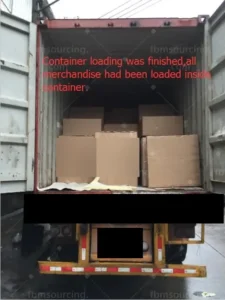
- Check production against the reference: shade, caliber and surface texture are verified at the factory before loading — at FBM Sourcing, all inspections are performed by our own team at the factory before shipment, with photo and video records delivered to the client.
Most tile programs for commercial projects ship from Foshan, where a single consolidated order can cover floor tile, wall tile and grip external ranges — part of why Foshan is the default base for building material sourcing. A building material sourcing agent will hold the slip schedule across every batch and phase of the project.
Why Do Tiles Lose Slip Resistance After Installation?
A tile that tested R11 at the factory does not automatically perform as R11 in year three, and specifiers who understand why make better finish choices up front. Three mechanisms do the damage. First, polish-through: aggressive or badly chosen cleaning regimes can burnish a matt or structured surface over thousands of cycles, gradually smoothing the micro-texture the rating depends on. Second, contaminant films: cleaning-product residue, body oils in pool areas and grease films in food service can halve effective friction on a surface whose laboratory rating is unchanged — the tile still “is” R11; the floor no longer behaves like it. Third, applied anti-slip treatments: acid-etch and coating treatments applied after installation do raise friction initially, but they wear on traffic paths and typically need reapplication on a 1–3 year cycle, which is why specifying the correct rating in the tile body and surface from the factory is always preferable to correcting a slippery floor afterwards.
Design detailing carries part of the load too. Slip incidents concentrate at transitions — wet-to-dry thresholds at pool halls and shower exits, external-to-internal entries, top and bottom of ramps — so the specification schedule should step ratings at those lines rather than averaging across a zone. Entrance matting systems that strip water in the first three metres protect an R9 lobby better than upgrading the entire lobby field to R10, and falls to drains in wet areas (1:60 to 1:80 in commercial practice) keep standing water off surfaces that were only ever rated for splash exposure. None of this replaces the rating — it is what lets the rated tile keep earning its rating for the life of the building.
Outdoor areas add a second variable to the slip decision — material and thickness. Our comparison of porcelain pavers vs natural stone for outdoor commercial areas sets the required ratings against weight, substrate and batch matching.
Frequently Asked Questions
What DCOF rating do commercial tiles need in the US?
ANSI A326.3 requires a wet DCOF of at least 0.42 for level interior spaces expected to be walked on when wet, measured with a BOT-3000E tribometer. Exterior, ramp and grease-exposed areas fall under separate product-use categories with higher demands.
What is the difference between R9 and R11 tiles?
Under DIN 51130, R9 covers ramp angles of just 6–10° and suits dry interior floors, while R11 covers 19–27° and suits entries, external walkways and light commercial kitchens. The scale starts at R9, so R9 is the lowest rating, not a mid-grade one.
What slip rating do tiles need in Australia?
Under AS 4586, commercial practice is P3 for internal wet areas, P4 for entries and external footpaths, and P5 for external ramps and pool surrounds, with classes A/B/C applying to wet barefoot areas. State the class per finish on the order.
Do Chinese tiles meet international slip standards?
Yes — export porcelain is produced to GB/T 4100 (aligned with ISO 13006) and factories test grip finishes against DIN 51130, AS 4586 or ANSI A326.3 on request. The key is ordering by standard and finish code and verifying each production batch against the rated reference sample.
Australian projects are classified by the wet pendulum test, not by the German R scale: see AS 4586 slip ratings (P ratings) and how they differ from R ratings for the location-by-location classification.
Get a China Procurement Quote for Your Project
Specifying floor and wall tiles for a hotel, apartment or commercial building? Send FBM Sourcing your area schedule, destination country and quantities. We will build the slip-rating schedule per area, source rated finishes from Foshan’s tile district on a 5% commission for suppliers you nominate (products we source for you are quoted at a direct price), and verify every batch at the factory — all inspections by our own team before shipment, with photo and video records. Use the quote button above or WhatsApp +86 135 6007 5057.
Related reading: Top ceramic tile manufacturers in China for commercial projects