Three different companies can touch a China container, and they do different jobs: a freight forwarder moves it (books vessel space, clears export customs, issues the bill of lading), a 3PL stores and distributes it after arrival (warehousing, inventory, last-mile), and a sourcing agent and sourcing partner manages what goes inside it (factories, QC, packing, loading). For a project buyer shipping full containers to one site, the working combination is sourcing agent + freight forwarder; a 3PL only enters when you need warehousing or multi-point distribution at destination.
What Each Party Actually Does
- Freight forwarder: ocean/air booking, export customs, documentation (B/L, ISF/ENS filings), destination clearance via partners — paid per shipment; owns no cargo responsibility beyond carriage terms
- 3PL (third-party logistics): receiving, warehousing, inventory systems, pick/pack, distribution — paid per pallet/order; enters after the container lands
- Sourcing agent: factory selection, specification, QC, consolidation, packing standards, loading supervision — paid as a service fee on the goods; owns the “is the container worth shipping” question
- 4PL (for completeness): manages other logistics providers end-to-end — relevant to retailers with continuous flows, rarely to project cargo
Who Should a Project Buyer Contract With?
Follow the risk. On a hotel or apartment package, the expensive failures happen before the vessel sails — wrong goods, failed QC, bad packing, missed loading windows — which is sourcing agent territory. Freight itself is a commodity: forwarders quote the same lanes within a narrow band, and your agent can tender among them. The clean structure is one accountable partner for the cargo (the agent), who manages the forwarder for you under terms you approve — FOB with your nominated forwarder, or CIF/DDP through the agent’s. The incoterm decision has its own trade-offs; see our comparison of managed vs direct China orders and the loading discipline in our 3×40HQ municipal park shipment case.
Sourcing this for a commercial project?
FBM Sourcing works with project owners, developers, main contractors and FF&E contractors on hotel, apartment, school, office and other commercial building projects. Send us your BOQ, drawings or product list — our team will review it and get back to you.
Where the Handoffs Fail — and How to Prevent It
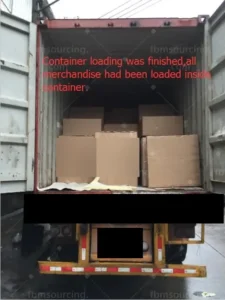
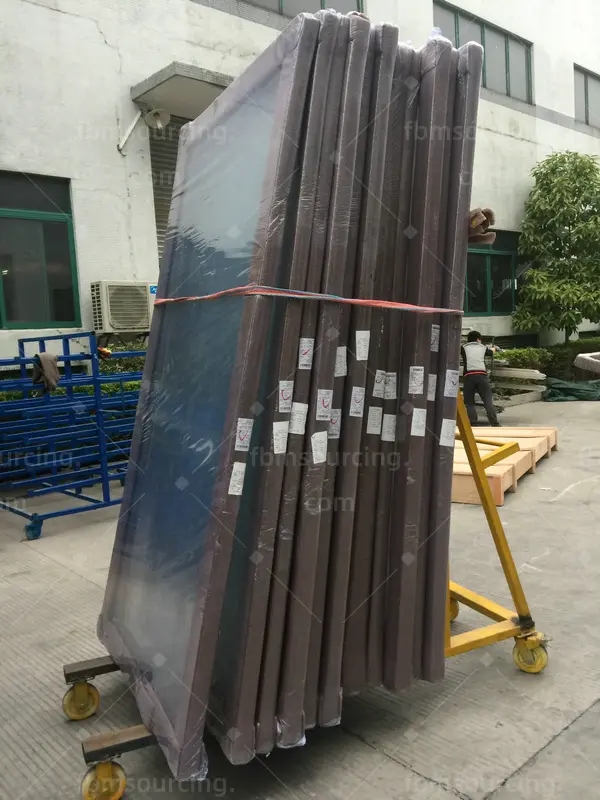
Most China shipping problems are handoff problems. The factory says goods are ready; they are not quite ready — the forwarder’s truck arrives to a half-packed warehouse and the booking rolls a week. Or five factories each ship “their” part and the site receives four deliveries and one mystery. Prevention is unglamorous: one master schedule tying production completion to the vessel cutoff, one packing standard across factories, consolidated loading at one warehouse with the loading sequence planned against unloading order, and photographs of every container before sealing. That coordination is the sourcing agent’s job — the forwarder executes the booking the coordination makes possible.
What Does Each Cost?
Rules of thumb for budgeting: ocean freight per 40HQ is a market rate that moves weekly (get live quotes, not blog numbers); forwarder service fees are charged per shipment on top of freight and handling; 3PL warehousing runs per pallet per week plus per-order handling; FBM Sourcing’s commission is 5% of goods value for suppliers you nominate, with a direct price for products we source (breakdown in how much a China sourcing agent costs). On project cargo, freight is rarely where the money is won or lost — a single rejected container of uncertified building materials outweighs a year of forwarder fee optimisation.
Get a China Procurement Quote for Your Project
FBM Sourcing manages project cargo end to end — factories, QC, consolidation, loading — and coordinates freight through established forwarders on your preferred incoterm. Send your product list, destination port and timeline via our China building materials & FF&E procurement page for a complete sourcing-and-shipping plan.
Related reading: consolidating multiple Chinese factories into one container