Third-party inspection in China means hiring an independent firm — QIMA, SGS, Bureau Veritas, Intertek or TÜV — to check your goods at the factory against your specification, usually just before shipment. It typically costs US$250–500 per man-day, follows AQL sampling standards, and produces a photographic pass/fail report you can act on before the balance payment is released. Working with a china sourcing agent, the inspection slots into a larger control system: the agent fixes problems through production, and the third-party report provides independent, brand-name verification at the end.
What a Third-Party Inspection Actually Covers
A standard final random inspection (FRI) checks five things: quantity against the packing list; workmanship against an agreed defect classification (critical/major/minor); function tests appropriate to the product; measurements against your drawings; and packing suitability for export. Sampling follows AQL (Acceptable Quality Limit) tables — for most building material and furniture orders, AQL 2.5 for major defects and 4.0 for minor defects on a General Inspection Level II sample.
Key facts project buyers should know:
- Cost: US$250–350/man-day (QIMA, HQTS, V-Trust), US$300–500/man-day (SGS, BV, Intertek)
- Booking window: 2–5 working days notice; goods must be ≥80% produced and ≥80% packed for a final random inspection
- Report delivery: same day or next day, photographic, pass/fail against your criteria
- Standards used: ISO 2859-1 (AQL sampling); product standards per your spec (EN, ANSI, AS/NZS, UL)
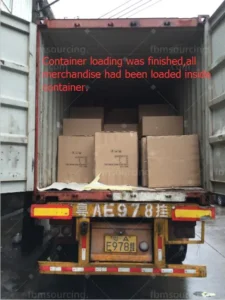
- Scope options: factory audit, initial production check, during-production check, final random inspection, container loading check
Sourcing this for a commercial project?
FBM Sourcing works with project owners, developers, main contractors and FF&E contractors on hotel, apartment, school, office and other commercial building projects. Send us your BOQ, drawings or product list — we’ll come back with a sourcing plan and budget estimate.
Who Books the Inspection — You or the Agent?
Either works, and the difference matters less than buyers expect. If you engage QIMA or SGS directly, you control the account, criteria and report delivery — the factory cannot filter what you see. If your sourcing agent books it, the inspection is coordinated with the real production schedule, the checklist is written by someone who has followed the order since sampling, and failed points get handled by the agent as rework instructions rather than landing on your desk as a PDF problem.
The practical best structure for project buyers: the agent runs in-process QC as part of the service, the third-party firm is booked for the final inspection on categories where independence has extra value — fire-rated doors, safety glass, structural items, and any product where your lender, insurer or building inspector will ask who verified it. This is exactly how we structure QC on project packages; see our checklist for vetting Chinese building material factories.
Agent QC vs Third-Party Inspection: What Each Is Good At
An inspection firm gives you a snapshot: professionally sampled, independently certified, but scheduled — the inspector arrives, samples, reports and leaves. A sourcing agent gives you a film: sample control, production milestones, defect rework loops, packing standards and loading supervision, because the agent’s job is the outcome, not the report. The firms themselves are clear about this: an FRI at 80% packed can tell you the batch fails; it cannot un-fail it. Catching the same defect three weeks earlier at the during-production stage is what saves the shipping window.
Where budgets are tight, spend on independence where certificates matter and on continuous QC where schedules matter. For certification-heavy categories, start from our guide to certifications for imported building materials.
What a Report Looks Like — and What to Do With It
Expect 30–60 pages: order details, sampling plan, defect photos classified critical/major/minor, measurement tables, function test results, packing photos and a pass/fail verdict. Three rules make reports useful. First, agree the defect classification before the inspection — otherwise the factory will argue every major down to a minor. Second, tie your balance payment to a passed report in the purchase order. Third, when a report fails, respond with a rework instruction and a re-inspection date, not a negotiation about the inspector.
Get a China Procurement Quote for Your Project
FBM Sourcing manages production QC and coordinates third-party inspections (QIMA, SGS, Bureau Veritas) for commercial construction projects — hotels, apartment buildings, schools and offices. Send your product list, drawings and destination through our China building materials & FF&E procurement page and we’ll come back with a sourcing plan including the right inspection structure for each category.