When importing building materials and FF&E from China, the certificates you need depend on the product and the destination market, but the essentials are: fire/flammability for furniture and finishes, water and sanitary approvals for plumbing products, formaldehyde and emissions limits for wood and cabinetry, CE or UKCA marking for construction products in Europe and the UK, and glass safety and tile slip-resistance standards. Ask for batch-level test reports that match your actual materials — not a generic sample certificate — and specify the required standard in the order before production starts.
Which Certificates by Product Type?
- Upholstered furniture & mattresses: fire/flammability — BS 7177 & BS 5852 (UK), California TB 117 (US), AS/NZS 3744 (AU). See our hotel FF&E fire-safety guide.
- Cabinetry, wardrobes, wood panels: formaldehyde emissions — E1/E0 (EU), CARB Phase 2 / TSCA Title VI (US).
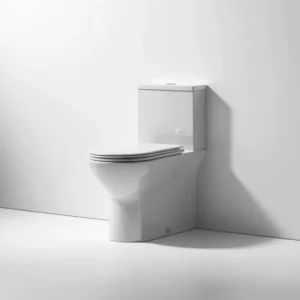
- Sanitaryware, taps, valves: water safety — WRAS (UK), cUPC/NSF (US), WaterMark (AU).
- Doors & windows, structural products: CE marking (EU) / UKCA (UK); glass to EN 12150 or ANSI Z97 (safety/tempered).
- Tiles & flooring: slip resistance — R-ratings / DCOF for commercial areas.
- Curtains & drapery: flammability — NFPA 701 (US) and equivalents.
Sourcing this for a commercial project?
FBM Sourcing works with project owners, developers, main contractors and FF&E contractors on hotel, apartment, school, office and other commercial building projects. Send us your BOQ, drawings or product list — we’ll come back with a sourcing plan and budget estimate.
What’s the Difference Between a Real and a Fake Certificate?
- Batch vs generic: a valid report references the actual material, standard and production batch — not a one-off sample from a different product
- Named lab: issued by an accredited lab (e.g. SGS, Intertek, TÜV, Bureau Veritas), traceable by report number
- Scope match: the tested spec (foam, fabric, thickness) matches what is actually being produced
Where a brand or authority requires it, samples can be sent for independent third-party testing so the certificate is not just the factory’s word.
How Do I Make Sure Certificates Are Handled Correctly?
- State the required standard for each item in the order and quotation up front
- Confirm the factory can produce to that standard before you pay a deposit
- Collect batch-level reports and check they match the goods at pre-shipment inspection
- Arrange independent lab testing where your market or client demands it
How FBM Sourcing Handles Compliance
FBM Sourcing writes the required standard into every order, obtains and verifies batch-level certificates from the factory, and coordinates independent testing (QIMA, SGS, Bureau Veritas, Intertek) when needed — building a QC checkpoint against the certified specification. Submit your project requirements with your destination market and we will confirm the certificates each product needs. See also our guide on buying safely from China.