Sliding windows suit wide balcony and patio openings where floor space matters and moderate sealing is acceptable; casement windows suit apartments, villas and hospitality projects where sealing performance, full-sash ventilation and a tighter building envelope matter more than opening clearance. Most mixed-use and hospitality projects specify both across a single elevation, using casement where sealing is critical and sliding where a swing sash would conflict with furniture or balcony space.
How Do Sliding and Casement Windows Actually Differ?
The mechanical difference drives everything else. A casement window is hinged and closes by compressing a continuous seal around the full perimeter of the sash — this is what gives it better air and water infiltration performance. A sliding window closes by overlapping two panels along a horizontal track, which by design leaves a running joint that is harder to seal completely, even on a well-built system.
Sealing and Energy Performance
Casement systems typically outperform sliding systems on air infiltration testing by a meaningful margin, because a compression seal closes tighter than a sliding interface. For coastal, hurricane-zone or energy-code projects, this difference is often the deciding factor.
Ventilation and Space
Sliding windows never intrude into room space when open, which matters on balconies, walkways and anywhere furniture sits close to the window. Casement windows swing outward (or occasionally inward on tilt-turn systems), which needs clearance that a narrow balcony or exterior walkway may not have.
Which System Costs Less to Source from China?
At equivalent glass and frame specification, sliding and casement systems land within a similar price range factory-direct — the larger cost driver is glass makeup and profile grade, not the opening mechanism. Casement hardware (hinges, multi-point locks) typically costs slightly more per unit than sliding track hardware, but the gap is usually smaller than buyers expect once profile and glass are matched apples to apples.
Sourcing this for a commercial project?
FBM Sourcing works with project owners, developers, main contractors and FF&E contractors on hotel, apartment, school, office and other commercial building projects. Send us your BOQ, drawings or product list — we’ll come back with a sourcing plan and budget estimate.
What About Maintenance and Hardware Life?
Sliding windows depend on roller and track condition — grit and salt air in coastal locations can degrade rollers faster than hinges wear on a casement system. Casement hardware (hinges, friction stays, multi-point locks) is generally more durable long-term but a failed lock mechanism is a more disruptive repair than a roller replacement. Neither system is maintenance-free; the practical difference is what fails first and how easily it’s replaced on site.
How Should a Project Choose Between the Two?
As a general rule: specify casement for apartments, villas, hotel guest rooms and any application where sealing and energy performance matter; specify sliding for balconies, wide patio openings, and spaces where opening clearance is a real constraint; and use a mixed elevation — casement for the sealed portion, sliding or fixed glass for the wide-view portion — on most commercial and hospitality facades. Our sliding window and casement window pages break down the component specifications for each system in detail.
Sourcing Either System from China
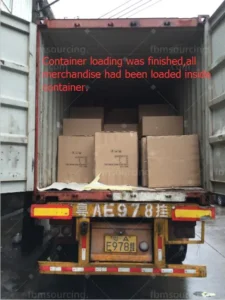
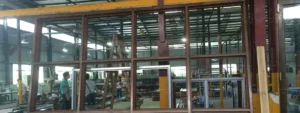
Both systems are sourced the same way through a china sourcing agent: component-level specification (profile series, glass makeup, hardware grade) locked in before production, factory shortlisting based on export experience with the specific system, and pre-shipment inspection that tests the mechanism — not just a visual check — before the container is loaded. Buyers specifying a mixed elevation should also review our guide to fixed glass windows from China for the non-opening portions.
Get a China Procurement Quote for Your Project
Send your window schedule, quantities, destination port and timeline, and we will return component-level pricing for whichever system — or mix of systems — suits your elevation. Submit your project requirements.
Related reading