How do you source building materials from China for a school construction project? The short answer: treat it as a compliance-first procurement, not a price hunt. School projects are inspected harder than almost any other building type — fire ratings, formaldehyde emissions, impact-resistant fixtures and accessible washrooms all have to survive sign-off by education authorities and independent inspectors. A China sourcing agent for school projects earns its fee by making sure every container that lands is already certified for the destination market, so the general contractor never has to argue with an inspector over paperwork.
What Makes School Projects Different from Other Commercial Builds?
Schools combine the durability demands of a hotel with the compliance burden of a hospital. Three things change the sourcing calculus:
- Certification is non-negotiable. Fire-rated doors, low-VOC boards and paints, tempered or laminated safety glass, and slip-rated flooring must carry test reports that the destination authority accepts — not just a factory’s own certificate.
- Abuse-grade durability. Hundreds of students use the same door hardware, washroom fittings and furniture daily. Commercial-grade hinges, concealed cisterns and solid-core doors outlast residential-grade equivalents by years.
- Hard deadlines. A school that misses the September opening waits a full year for the next one. Production and shipping schedules have to be planned backwards from the term calendar, with buffer built in.
Which Building Materials Do Schools Typically Source from China?
On the school projects we have supported, the package usually covers most of the fit-out scope:
- Doors and windows — fire-rated interior doors, aluminum windows sized to local energy codes
- Flooring and wall finishes — slip-rated tiles for corridors and wet areas, vinyl or rubber flooring for classrooms
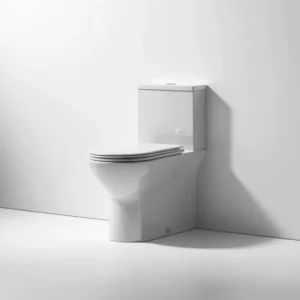
- Washroom packages — wall-hung basins, concealed cisterns, sensor taps, cubicle partitions and commercial toilets
- Fixed furniture and millwork — classroom storage walls, laboratory benches, library shelving, mirror and cabinet packages
- Lighting — low-glare LED panels that meet classroom lux requirements
Ordering these as one coordinated package from one country is exactly where consolidated procurement saves money: fewer shipments, one QC program, one set of documents for customs.
For the loose furniture side of the same program — steel-frame bunk beds, desk-and-wardrobe sets and classroom desking — see our guide to dormitory and classroom furniture sourcing from China.
Sourcing this for a commercial project?
FBM Sourcing works with project owners, developers, main contractors and FF&E contractors on hotel, apartment, school, office and other commercial building projects. Send us your BOQ, drawings or product list — we’ll come back with a sourcing plan and budget estimate.
How Does the Compliance Paper Trail Actually Work?
This is the part that sinks inexperienced buyers. A school inspector does not care what a factory brochure says; they care about test reports from laboratories they recognize. The workflow that works:
- Fix the standard before quoting. Identify the exact fire, emission and safety standards your jurisdiction requires, and write them into the RFQ. Factories quote very differently once they know certified product is required.
- Verify existing test reports. Many established Chinese factories already hold valid reports from internationally recognized labs. We verify the report is current, matches the exact product being quoted, and covers the destination market.
- Commission new tests where gaps exist. Where a report is missing, samples go to an independent laboratory before mass production — not after.
- Third-party inspection before shipping. We welcome buyer-appointed inspection agencies such as QIMA or SGS on every school order; our own team also runs in-line and pre-shipment checks. See how factory QC and inspection works on our projects.
What Does the Timeline Look Like for a School Package?
Working backwards from an opening date, a realistic single-source schedule:
- Months 1–2: BOQ review, factory shortlisting, sample and certificate verification. We read your CAD drawings and BOQ directly.
- Months 3–4: Production. Fire-rated doors and custom millwork are usually the critical path at 45–60 days.
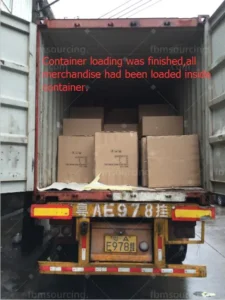
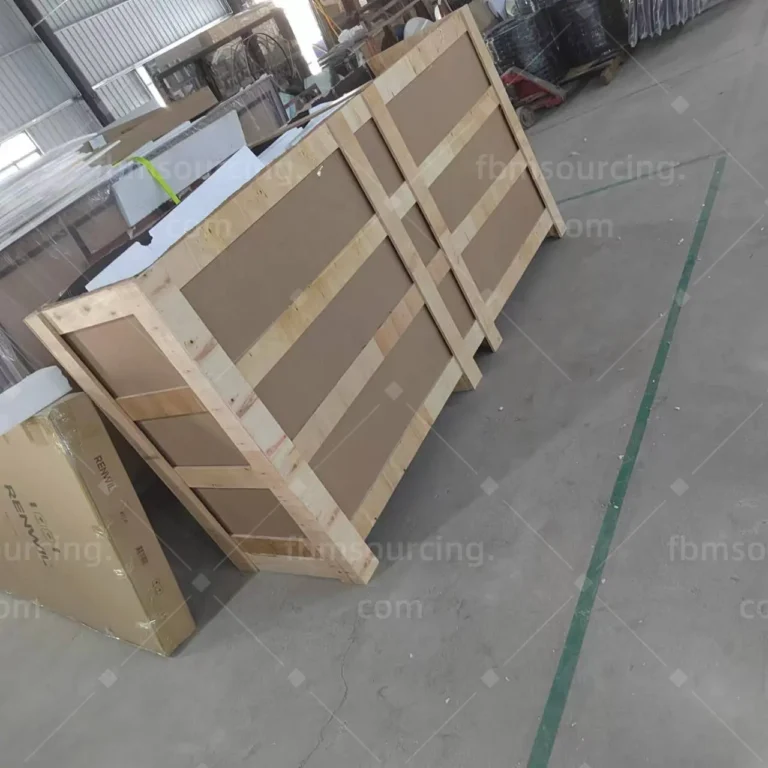
- Month 5: Consolidation, container loading with load plans, and shipping — 16–38 days at sea depending on destination.
- Buffer: Always one month. Customs holds and re-inspection happen; schools cannot absorb them without it.
Get a China Procurement Quote for Your School Project
Send us your drawings, BOQ or even a preliminary product list, with quantities, destination port and your opening deadline. We will come back with a sourcing plan, a certification checklist for your jurisdiction and a budget estimate — so you know before you commit whether single-source procurement from China fits your timeline. Start at our building materials & FF&E procurement page or use the buttons above.