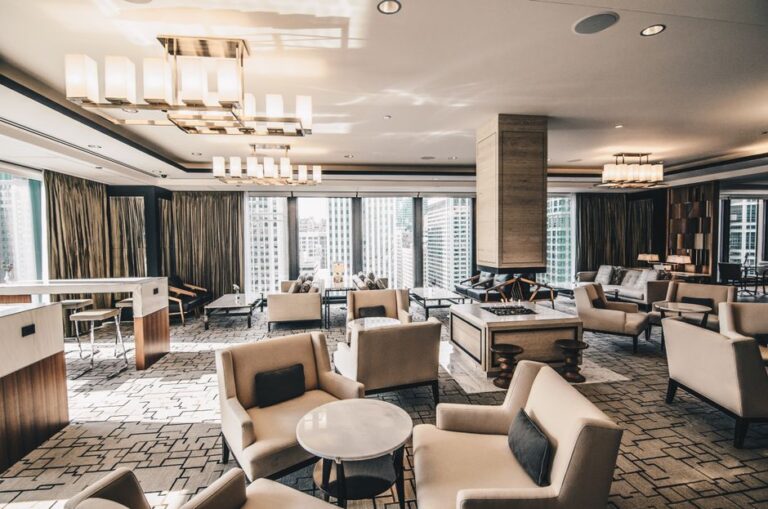
An FF&E procurement service manages the full purchasing cycle for a building project’s furniture, fixtures and equipment — from BOQ review and factory matching through sample approval, pre-shipment QC and container delivery — under one accountable workflow, typically for a 5% commission for suppliers you nominate (products we source for you are quoted at a direct price) when run through a China sourcing agent and sourcing partner. For a hotel, serviced apartment or student accommodation project, that workflow spans hundreds of SKUs across five or more factory categories and runs over several months from specification sign-off to goods on site, which is why the service is engaged during design development rather than after construction is under way. If the project is specifically a hotel, our purchasing service for hotels guide covers the owner–operator–agent split and the spec-book-to-opening timeline.
This guide is written for project owners, developers, main contractors and FF&E contractors evaluating what an FF&E procurement service should deliver, what it costs, and how it plugs into a construction programme. For the full delivery model, see FBM Sourcing’s China building materials and FF&E procurement service.


What Does an FF&E Procurement Service Actually Cover?
A complete FF&E procurement service covers seven stages, and a proposal that skips any of them leaves the buyer carrying that risk personally:
- Scope and BOQ review — converting drawings, room schedules and finish boards into a factory-ready specification, and flagging ambiguities before they become quotation gaps.
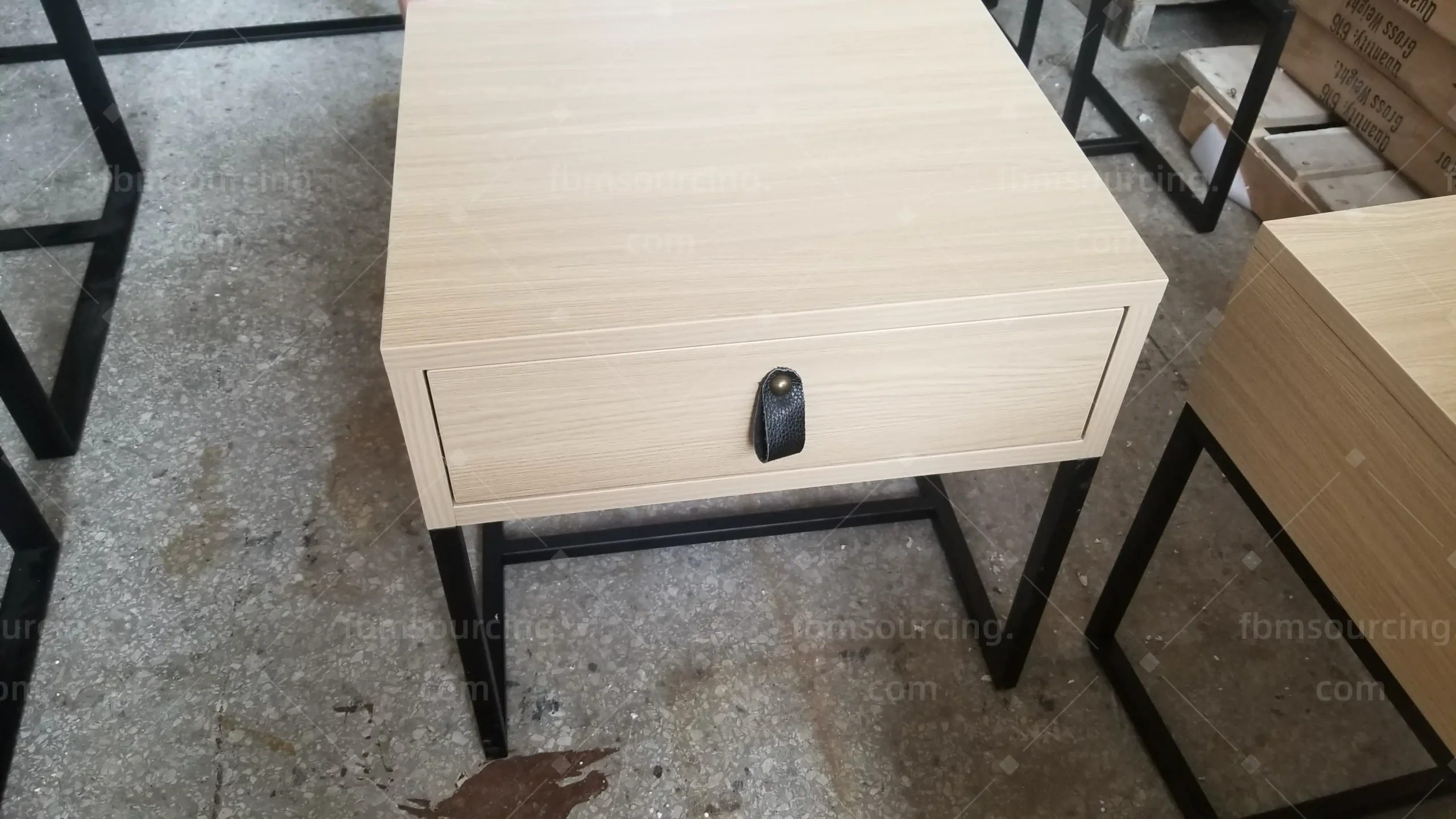
- Factory matching and quotation comparison — a typical hotel package spans casegoods, upholstery, metalwork, mattress, lighting and joinery producers; each category has a different manufacturing base and lead time.
- Sample management — first pre-production samples, revision rounds where needed, and written sign-off before any bulk production starts.
- Production tracking — schedule monitoring against the production window each factory confirms in writing, which varies by category and customisation depth.
- quality control before shipment — materials, workmanship and finish checked against the approved sample, carried out at the factory with photo and video records.
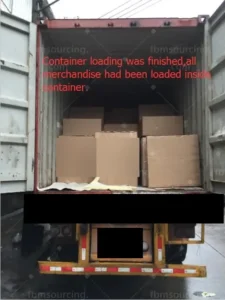
- Packing review and consolidation — mixed-factory goods grouped into containers by building zone, with carton labels carrying building / floor / room type.
- Shipment coordination — booking, export documents and tracking through the ocean leg, where transit time is confirmed by the carrier at booking.
The stages are sequential and each one gates the next — the working rule on FBM Sourcing projects is simple: no approved sample, no production start; no passed final inspection, no container loading.
What Should You Send Before Sourcing Starts?
Quotation quality is set by input quality. Four inputs decide whether factory quotes come back comparable or chaotic:
| Input | Why it matters | Example |
|---|---|---|
| BOQ or item list | Defines quantity and procurement scope — and from it, the container count | Guest room casegoods, beds, desks, public area seating |
| Drawings and dimensions | Prevents wrong sizes and installation conflicts; native CAD files shorten shop-drawing development | Shop drawings, room plans, elevations |
| Reference images and finish standard | Anchors the quality level factories quote against | Veneer, fabric, stone, metal, paint finish references |
| Budget frame and timeline | Filters factory tier and sets the shipping plan | Target budget band and required site date |
If the design is still moving, separate frozen specifications from items where the factory can propose options — that keeps quotations comparable while design catches up. Our guide to how to send a BOQ or drawings to a China sourcing agent covers the practical format.
Sourcing this for a commercial project?
FBM Sourcing works with project owners, developers, main contractors and FF&E contractors on hotel, apartment, school, office and other commercial building projects. Send us your BOQ, drawings or product list — our team will review it and get back to you.
How Does the Service Control Quality Before Shipment?
Quality on a project order is set by the approved sample and checked against it before shipment. The signed-off pre-production sample (golden sample) becomes the objective standard: casegoods are checked against it to a common ±2mm dimensional tolerance, contract seating against specified foam densities (35–40 kg/m³ seat foam is the usual band), and finishes against retained material references. The inspection before loading checks materials, workmanship, dimensions and finish against the approved sample.
On FBM Sourcing projects the inspection is carried out by our own team at the factory before shipment, with photo and video records delivered to the client, so an overseas project team can see the goods without travelling. The mechanics are covered in our guides to sample approval when sourcing from China and factory QC and inspection.
What Does an FF&E Procurement Service Cost?
At FBM Sourcing, products we source are quoted at a direct price with our work inside it; for suppliers you nominate we charge a 5% commission. When comparing proposals, compare the total cost structure, not the fee alone: factory ex-works cost, packing, inland haulage, ocean freight, destination charges and the service fee. Payment milestones to factories are agreed per order.
How Does the Timeline Fit Your Construction Programme?
On FBM Sourcing projects we allow around four months from deposit to shipment: roughly two months for drawings and two months for production. Quotation and factory selection come before that, the final inspection and container loading follow production, and ocean transit time is confirmed by the carrier at booking. The scheduling discipline that matters: sample time sits inside the critical path, not parallel to it, and floors that finish first should receive furniture first, so container loading is planned by building zone.
What Goes Wrong Without a Managed Procurement Process?
The failure patterns on unmanaged project orders repeat with remarkable consistency:
- Non-comparable quotations — one factory quotes E1 board where the spec says CARB Phase 2, another excludes hardware, a third uses lighter export cartons; the “cheapest” quote wins and the gap surfaces at inspection.
- Skipped sampling — saving time up front, then discovering a finish problem multiplied across every room in the building.
- Uncoordinated factory schedules — a long furniture run and a shorter joinery run started on the same day, leaving finished goods waiting for consolidation.
- Packing failures — corner damage and moisture staining discovered at destination, where a claim is slow and replacements ride another full ocean leg.
Each of these is prevented by process, not luck — which is the actual product an FF&E procurement service sells.
Get an FF&E Procurement Plan for Your Project
If you are pricing an FF&E package for a hotel, apartment, school, office or other commercial building project, send FBM Sourcing your BOQ, drawings, reference images, destination port and required site date. We will come back with a factory allocation plan, a sampling programme and a realistic delivery schedule — before you commit a deposit anywhere. Start with our China building materials and FF&E procurement service page.