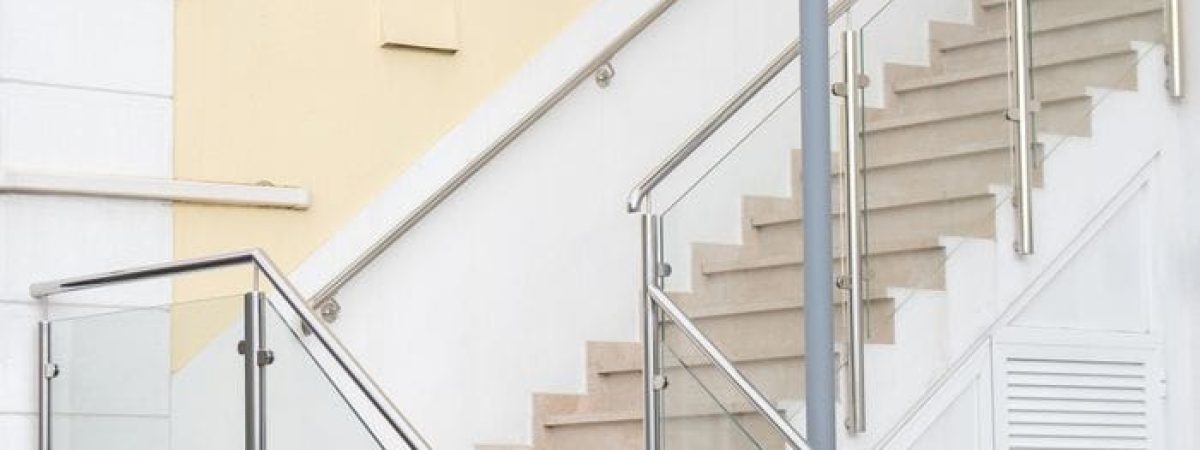
Pool fence railing sourcing from China supplies the safety barrier systems around hotel pools, resort lagoons, apartment amenity decks and school aquatic facilities — frameless glass panels on spigots, semi-frameless glass with posts, and tubular aluminum pool fencing, plus the self-closing gates every code requires. As a building material sourcing agent and sourcing partner for developers, resort operators and main contractors, FBM Sourcing manages pool fence procurement from panel schedule to container: factory selection in Guangdong, glass and spigot certification, gate hardware testing and pre-shipment inspection. Pool fencing is a regulated child-safety barrier, so the sourcing job is less about finding cheap glass and more about proving that every panel, spigot and latch will pass your local barrier inspection the first time.
Pool Fence Railing Types for Hotels, Resorts and Apartment Projects
Frameless glass pool fencing is the default for four- and five-star hospitality work: 12 mm tempered safety glass panels set in duplex 2205 stainless steel spigots core-drilled or base-plated to the pool deck, with no top rail to interrupt the view across the amenity deck. Semi-frameless systems put slim aluminum posts between glass panels — a meaningful cost reduction on long runs around a resort lagoon or a rooftop apartment pool, at a small aesthetic penalty. Tubular aluminum pool fencing — powder-coated flat-top or loop-top panels — remains the workhorse for schools, holiday parks, water parks and back-of-house pool plant enclosures where budget and durability outrank transparency.
Whatever the system, the compliance geometry is non-negotiable and must be locked into the shop drawings: a minimum barrier height of 1200 mm in most jurisdictions, ground clearance under 100 mm, a non-climbable zone free of horizontal footholds, and gaps that refuse the code sphere test. Gates are the highest-risk component of the package — self-closing hinges, magnetic top-pull latches mounted at the required height, and swing direction away from the pool. Australian projects are typically specified to AS 1926.1, while US projects follow the ISPSC and local barrier ordinances; we build the target standard into the drawing approval so the factory fabricates to it rather than to a generic export pattern.
How Pool Fence Railing Sourcing from China Works
Send us your pool deck plan and landscape drawings — or just the fencing line in your BOQ with a linear-metre count. FBM Sourcing produces a panel schedule with the factory: run lengths broken into standard panel widths, corner and step-down panels, gate positions and spigot counts. Because pool decks are rarely straight lines, the schedule stage is where a china sourcing agent earns its fee: raked panels on landscaped falls, radius runs around a lagoon edge and step-downs at deck level changes all have to be resolved on paper before tempering, since tempered glass cannot be recut.
Before releasing production we approve physical samples: a glass corner sample with edgework, a spigot in the specified grade and finish, and the gate hardware set operating on a sample panel. Production time depends on glass volume and powder-coat colour and is confirmed by the factory in writing, followed by inspection, crating and consolidation with other railing systems — balcony balustrade, glass railing for terraces, external handrails — into the project containers.
Sourcing this for a commercial project?
FBM Sourcing works with project owners, developers, main contractors and FF&E contractors on hotel, apartment, school, office and other commercial building projects. Send us your BOQ, drawings or product list — our team will review it and get back to you.
Quality Standards and Pre-Shipment Inspection for Pool Fencing
Our QC checklist for pool fence railing targets the points where non-compliant product actually gets shipped. Glass: tempered stamp on every panel, test certificates traceable to the batch, thickness and edgework checked, and dimensions measured panel-by-panel against the schedule — the same discipline we describe in our guide to specifying glass balustrades from China. Spigots: material verification that duplex 2205 is really 2205 and not re-stamped 304 — a known substitution risk around chlorinated pool water — plus casting quality and clamp torque checks. Aluminum panels: weld quality at rail-to-picket joints, powder coat thickness of 60–80 µm and salt-spray test reports for coastal resorts. Gates: every gate cycled on its hinges at inspection, self-closing from rest and latching at the specified height, because one failed latch is a failed barrier inspection on site.
Packing is glass-specific: panels crated vertically in plywood with foam interleaving, spigots and fixings boxed and labelled per run, gates packed as complete kits. The inspection photo report is issued before crates close, keyed to your deck plan references.
What Drives the Cost of a Pool Fence Package?
Pool fence railing budgets from China are set by a short list of drivers. System choice is the largest: frameless 12 mm glass on duplex spigots is the premium tier, semi-frameless glass with posts typically removes a layer of margin on long runs, and tubular aluminum fencing costs a fraction of either — which is why resorts often mix systems, frameless at the guest-facing pool edge and aluminum around plant enclosures. Spigot grade and count follow directly: duplex 2205 castings cost meaningfully more than 316, and spigot spacing is fixed by panel width and wind load, so it scales with every metre of run. Panel schedule complexity — raked panels on landscaped falls, radius approximations, step-downs at deck level changes — adds engineering and one-off tempering setups, while a rectangular apartment rooftop pool with repeating panel widths prices at its most efficient. Gates are a fixed-cost item worth isolating in the budget: a compliant self-closing gate kit with soft-close hinges and a magnetic latch costs several times its adjacent panel. And as with every barrier package, consolidation with the wider materials order — tiles, pool copings, outdoor furniture — is what keeps the freight line rational.
Programme-wise, use the factory’s written ex-factory date: tempered glass and powder-coat colour batches are the queue items, and certified gate hardware is sometimes the long-lead component rather than the glass itself. Sea freight transit is confirmed by the carrier at booking. The step that protects the schedule is early sign-off of the panel schedule and sample set — once glass is tempered it cannot be recut, so a deck-plan revision after release means re-making panels, not trimming them.
Why Source Pool Fence Railing Through FBM Sourcing
Pool fencing sits at the intersection of three trades — glass, stainless casting and aluminum fabrication — and no single factory excels at all of them. As a sourcing agent we split the package across specialist factories, hold one drawing and inspection standard over them, and consolidate everything into the containers already carrying your project’s tiles, doors and FF&E. On a five-star hotel building materials project in a hurricane zone, exterior railing and barrier systems went through this exact programme alongside the wider materials package — one team responsible from factory floor to destination port. For a resort amenity deck, that means your pool fence arrives compliant, labelled to plan, and on the same vessel as the rest of the fit-out.
Get a Quote for Your Pool Fence Package
Pricing a hotel pool deck, resort lagoon or apartment amenity level? Send your deck plan or BOQ, approximate linear metres, target standard (AS 1926.1, ISPSC or other), destination port and programme dates through our China building materials procurement page, WhatsApp, or [email protected]. You will get a panel-schedule-based budget, factory shortlist and lead-time plan for the full barrier package.