The best flooring for hotel and apartment projects sourced from China depends on the area: porcelain tile for lobbies, corridors and wet areas (durable, low-maintenance, wide format options), engineered wood or SPC/WPC flooring for guest rooms and apartment units (warmer underfoot, easier acoustic control), and slip-rated porcelain or natural stone look tile for pool decks and outdoor areas. There is no single “best” material across a whole project — the right choice is matched to foot traffic, moisture exposure and acoustic requirements per zone, which is why most hospitality and apartment projects specify two or three flooring types rather than one.
Flooring Types by Project Zone
- Lobbies and corridors — large-format porcelain tile (600x600mm to 1200x600mm), rated for heavy foot traffic and easy to maintain across long runs
- Guest rooms and apartment units — engineered wood flooring for a warmer, higher-end feel, or SPC (stone polymer composite) / WPC (wood polymer composite) flooring where water resistance and lower cost matter more, common in budget-to-midscale hotel programs
- Bathrooms and wet areas — porcelain tile with a rated DCOF (dynamic coefficient of friction) slip-resistance value, never the same finish used in dry corridor areas
- Pool decks and outdoor areas — textured or structured-surface porcelain rated for wet-barefoot slip resistance, or natural stone with a honed (not polished) finish
- Back-of-house and kitchens — commercial-grade vinyl or quarry tile rated for heavy equipment traffic and grease exposure
Porcelain Tile vs Engineered Wood: Which Zones Need Which?
Porcelain tile wins wherever moisture, heavy foot traffic or cleaning frequency is the priority — lobbies, corridors, bathrooms and back-of-house. Engineered wood or SPC/WPC flooring wins wherever guest comfort and acoustic performance matter more than water resistance — guest rooms and apartment living areas, where a harder tile floor would be both colder underfoot and noisier for the unit below. A well-specified hospitality project rarely picks one flooring type for the entire building; the flooring schedule should be built zone by zone from the drawings, not as a single blanket specification.
Sourcing this for a commercial project?
FBM Sourcing works with project owners, developers, main contractors and FF&E contractors on hotel, apartment, school, office and other commercial building projects. Send us your BOQ, drawings or product list — we’ll come back with a sourcing plan and budget estimate.
SPC and WPC Flooring for Budget-Conscious Apartment Programs
SPC and WPC flooring have become the default choice for mid-market apartment and extended-stay hotel programs sourced from China because they combine water resistance with a lower per-square-metre cost than engineered wood, and install faster with click-lock systems that do not require the acclimatisation period solid or engineered wood needs. The trade-off is acoustic and underfoot feel — SPC in particular is harder and can transmit more impact noise between floors unless specified with an integrated underlayment, which is worth confirming against the building’s acoustic requirements before ordering at volume. See our comparisons of SPC flooring and WPC flooring for the technical differences between the two.
How Do I Choose Between Tile Sizes for Hotel Corridors?
Larger-format tile (900x900mm and above) reduces the number of grout lines per corridor run, which lowers long-term cleaning cost and gives a more premium finish, but requires a flatter substrate and more careful installation to avoid lippage. Smaller-format tile (300x600mm to 600x600mm) is more forgiving on an imperfect substrate and is standard for budget-to-midscale programs. For a multi-floor hotel corridor program, most projects specify one consistent format across all floors so replacement tile can be sourced from the same production batch if damage occurs later.
Sourcing and Quality Control for Project-Scale Flooring Orders
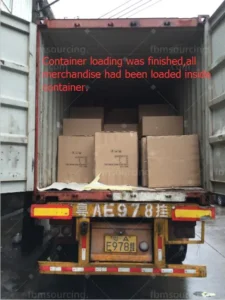
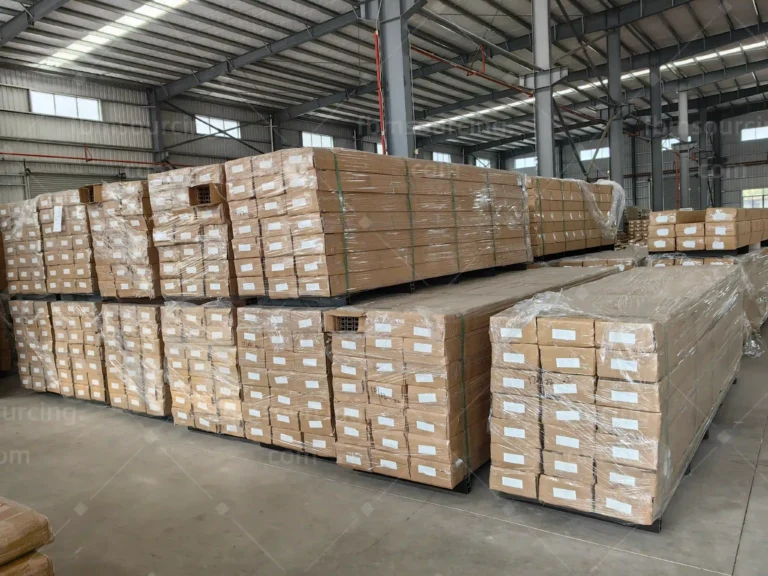
Flooring for a hotel or apartment project is ordered by the pallet, not the box, and inspection needs to catch batch-to-batch shade variation before the container ships — a mismatch that is invisible on a single sample tile but obvious once 500 square metres are installed under corridor lighting. FBM Sourcing verifies shade and caliber (size) consistency across the full production run, checks slip-resistance rating documentation for wet-area tile, and confirms packaging is rated for the pallet weight of a full ceramic or porcelain order before container loading.
Get a China Procurement Quote for Your Project
Send us your flooring schedule by zone, project drawings, destination port and timeline, and FBM Sourcing will come back with a sourcing plan and budget estimate matched to each area of your hotel or apartment project. Start through our China building materials and FF&E procurement page.