A 30/70 payment structure means 30% of the order value is paid as a deposit to start production, and the remaining 70% balance is paid before the goods are released for shipment — typically after quality control has been completed and passed. It is the most common payment structure for building material and furniture orders from China, and understanding when each portion is actually due protects a project buyer from paying for goods that have not yet been inspected.
How the 30/70 Structure Works in Practice
The 30% deposit is paid after the purchase order and specifications are confirmed, and it triggers the factory to begin production — booking raw materials, opening a production slot, and in some cases cutting new tooling for OEM or custom-made items. The 70% balance becomes due once production is complete and, critically, once quality control has been carried out and the goods have passed inspection. Paying the balance before inspection removes your only real leverage to require rework on defective goods.
Key Facts on Payment Timing
- Deposit (30%): Due on order confirmation, before production starts.
- Balance (70%): Due after QC inspection passes, before the goods are released for loading.
- Bank transfer method: Most factories require T/T (telegraphic transfer) in USD or RMB to a company account, not a personal account.
- Alternative structures: Some factories offer 50/50 for smaller or repeat orders, or a three-stage 30/40/30 (deposit, mid-production, pre-shipment) for larger custom projects.
- Never pay 100% upfront: A factory requesting full payment before production is a common warning sign in China sourcing, particularly with unverified suppliers.
Sourcing this for a commercial project?
FBM Sourcing works with project owners, developers, main contractors and FF&E contractors on hotel, apartment, school, office and other commercial building projects. Send us your BOQ, drawings or product list — we’ll come back with a sourcing plan and budget estimate.
Why Does the Balance Depend on QC — Not Just Completion?
A factory reporting production as “complete” is not the same as goods passing inspection. Tying the 70% balance to a passed QC inspection — rather than simply to a production completion date — keeps commercial pressure on the factory to fix defects before shipment, because the money that funds their next order is contingent on it. This is one of the reasons project buyers work through a china sourcing agent: the agent’s inspection team confirms the goods actually match the approved sample before authorising the balance payment, rather than relying on the factory’s own word.
What Happens If Goods Fail Inspection?
If a QC inspection finds defects, the balance payment is withheld until rework is completed and the goods are re-inspected. This is standard practice and factories that regularly work with sourcing agents expect it — it is written into the purchase contract, not a point of dispute after the fact. Building this condition into the payment terms from the start, rather than trying to negotiate it after a problem is found, is what actually gives it teeth.
How FBM Sourcing Manages Payment and QC Together
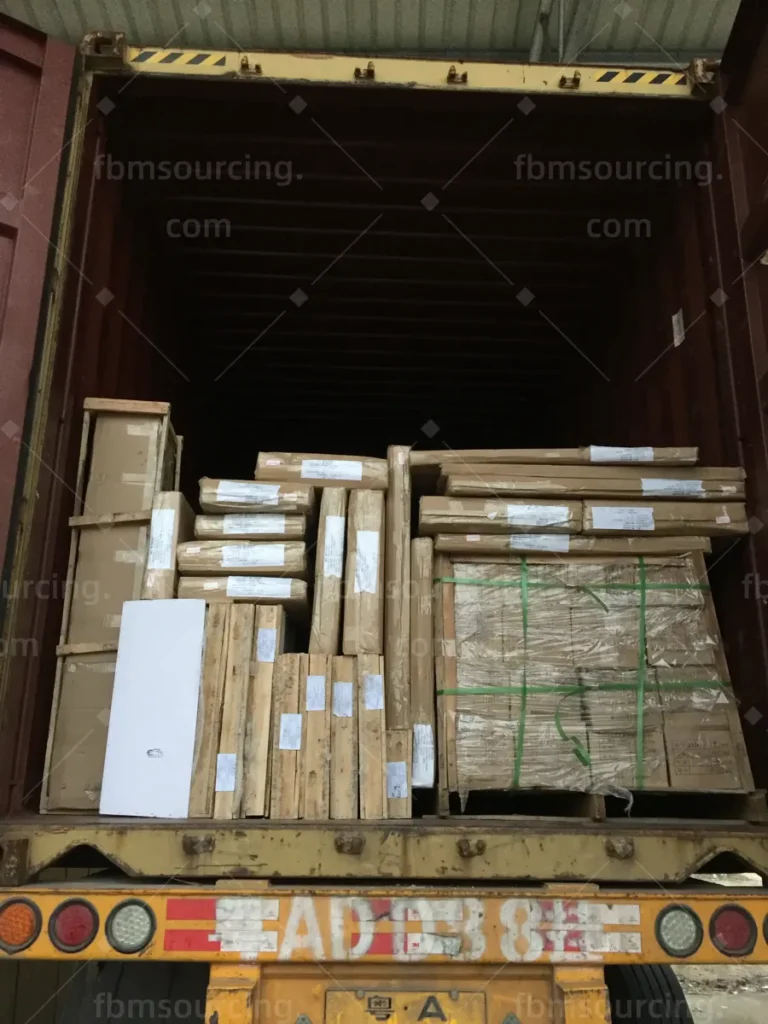
We structure purchase contracts with the deposit and balance tied explicitly to inspection outcomes, hold the balance payment until our QC team has signed off the goods against the approved sample, and only then authorise release for container loading. This keeps the commercial leverage where it belongs — with the buyer — throughout the production cycle, not just on paper.
Get a Quote for Your Project
Send us your drawings, quantities and destination port and we will return a sourcing plan with payment terms and quotation support for your China procurement project. See how QC and payment are managed together in our villa building materials case study.