Office furniture orders lose more value to poor container loading than to almost any other stage of the sourcing process. A scratched laminate desk top or a dented storage cabinet corner is rarely a manufacturing defect — it is a packing and loading failure that happens after the factory’s own quality check is complete. This guide covers what buyers should understand about container loading when working with a china sourcing agent and sourcing partner on multi-category office furniture shipments.
Why Container Loading Is a Distinct Risk from Manufacturing Quality
A factory can build a storage cabinet or a meeting table correctly and still have it arrive damaged if the loading crew stacks cargo incorrectly, fails to secure crates against shifting during transit, or mixes fragile laminate surfaces with heavier steel components without adequate separation. This is a separate risk category from production quality, and it requires separate oversight — which is one of the reasons developers and FF&E procurement companies use a sourcing agent to supervise loading rather than relying solely on the factory’s own packing standard.
How Different Office Furniture Categories Load Differently
Storage Cabinets and Filing Cabinets
Steel cabinets are typically loaded lower in the container due to weight, with corner protection on every unit and separation between cabinets to prevent panel-to-panel scratching. Laminate cabinets need additional edge protection and are generally loaded above steel units to avoid crush damage from heavier cargo stacked on top.
Meeting Tables and Desks
Large table tops are among the highest-risk items in a container load. Tops are typically crated flat with edge protection and loaded so they cannot shift or flex during transit — flexing over a long haul can cause veneer cracking on wood-top tables that isn’t visible until the crate is opened at destination.
Reception Desks and Custom Millwork
Multi-section reception desks with stone or engineered-stone tops require the most careful loading sequence, as stone components are both heavy and prone to chipping. These are typically crated individually with foam or corner-block protection rather than palletized with other cabinet types.
Office Chairs and Seating
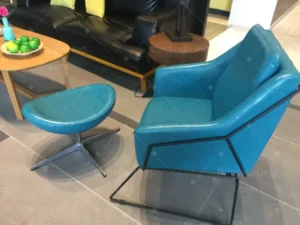
Chairs are generally the most space-efficient cargo in an office furniture container, often shipped knock-down or nested to maximize container utilization, which also reduces freight cost per unit compared to fully assembled shipping.
Sourcing this for a commercial project?
FBM Sourcing works with project owners, developers, main contractors and FF&E contractors on hotel, apartment, school, office and other commercial building projects. Send us your BOQ, drawings or product list — our team will review it and get back to you.
What a Sourcing Agent Checks Before Container Loading
- Crating specification matches the fragility profile of each furniture category, not a single generic packing standard applied across the whole order.
- Weight distribution across the container, with heavier steel and stone components loaded low and secured against shifting.
- Corner and edge protection on every table top, cabinet panel, and desk surface before loading begins.
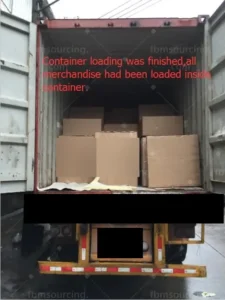
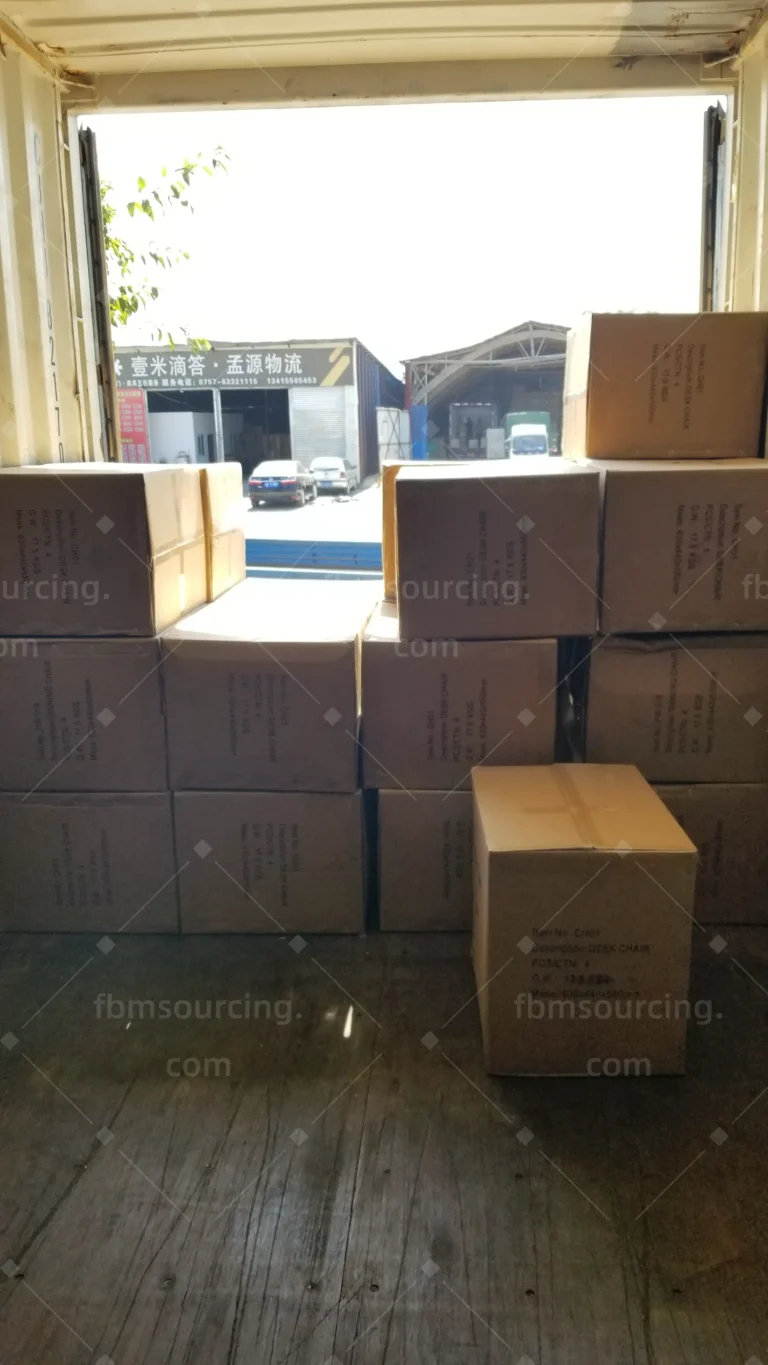
- Photographic documentation of the load sequence, so any transit damage can be traced to a loading issue versus a manufacturing defect.
This inspection happens at the same time as the standard pre-shipment quality check, combining product-level QC with loading supervision in a single site visit before the container is sealed.
Consolidating Multiple Office Furniture Categories in One Container
Office fit-out projects frequently combine meeting tables, office storage cabinets, office desks, and reception desks into a single shipment to reduce freight cost. Consolidating categories from different factories into one container requires coordinating delivery to a single loading point, which is a service a furniture sourcing agent typically manages as part of the overall procurement plan rather than leaving each factory to arrange its own separate shipment.
FBM Furniture
If your package is mainly office furniture, see office furniture on fbmfurniture.com, the site of FBM Furniture, the furniture sourcing line of FBM Sourcing Limited.
Get a China Procurement Quote for Your Project
Submit your office furniture schedule across all categories, target quantities, destination port, and project timeline, and our team will review it and get back to you. Submit your project requirements to start your inquiry.
Related reading