
This Australian office project is a long-term office furniture procurement case for a construction company specializing in workplace fit-outs. The client needed reception tables, sofas, chairs, filing cabinets, desks, and other office furniture from China for repeated commercial projects in Australia. Because the products would be used in active office environments, the client required stable quality, consistent specifications, export packing, and reliable delivery for each shipment.
FBM Sourcing supported the client as a China furniture sourcing agent, procurement consultant, and quality control team. Our work covered supplier screening, sample development, order confirmation, production follow-up, quality inspection China service, container loading, and shipping coordination. For commercial office projects, buying furniture is not just about finding a low price. The procurement process must connect design requirements, durability, fire and material expectations, lead time, packing, and after-sales responsibility.
The project included 3 x 40HQ containers of mixed office furniture. Products came from different specialized factories: some focused on reception sofas, some on office chairs, some on metal furniture, and some on modern wood office furniture. FBM Sourcing coordinated these suppliers into one controlled procurement process so the Australian client could manage multiple office fit-out projects with better visibility and less communication pressure.
This case is useful for construction companies, project buyers, designers, and furniture procurement companies looking for office furniture from China. It shows how a sourcing agent can help with supplier selection, sample approval, quality control, and export logistics while keeping the original project requirements clear from start to finish.
Compared with residential furniture procurement, office project purchasing has a stronger requirement for repeatability. A construction company may need similar reception furniture across different locations, or may need to reorder a matching table, sofa, chair, or cabinet months later. For that reason, supplier records, confirmed samples, material details, and quality standards must be managed carefully. FBM Sourcing kept those records organized so the client could use the same China sourcing channel for future Australian office projects.
Australian office furniture procurement
3 x 40HQ
Australia
The client is an Australian construction company that handles office fit-outs and commercial interior projects. They needed a dependable China-side partner to source office furniture that could meet project quality expectations and be delivered on schedule. Their purchasing list included reception sofas, reception tables, office chairs, filing cabinets, desks, and supporting furniture for workplace environments.
Before selecting suppliers, FBM Sourcing reviewed the client’s product needs, drawings, photos, quality requirements, expected quantities, and shipment plan. Office furniture procurement requires practical thinking because each product has different risk points. Reception sofas must look professional and withstand daily use. Tables need stable structures and suitable finishes. Office chairs require comfort, hardware reliability, and consistent assembly. Filing cabinets and metal furniture need accurate dimensions, smooth sliding parts, and strong surface treatment.
By clarifying these requirements first, we reduced the risk of choosing factories only by price. We also helped the client divide the project into product categories, so each category could be matched with factories that had relevant experience. This planning stage made the later sourcing, sampling, production, and inspection work more efficient.
For overseas buyers, this is one of the main advantages of working with a China procurement agent. Instead of contacting many suppliers separately, the client had one local team to organize communication, compare options, and turn a mixed office furniture list into a manageable procurement workflow.
The client also cared about how the furniture would perform after installation. In a reception area, sofas and tables are part of the first impression for visitors, but they also receive frequent use. The furniture needed to look professional, resist everyday wear, and remain stable after transport and assembly. These practical requirements shaped the supplier selection and inspection standards from the beginning of the project.
For this project, choosing the right factory was more important than choosing one general supplier. Different office furniture products require different production strengths. A factory that makes strong metal chairs may not be the best choice for reception sofas. A sofa factory may not be suitable for filing cabinets. A wood office furniture supplier may have good finishing but limited ability for metal parts. FBM Sourcing selected factories according to each product category and production capability.
We reviewed supplier experience, product specialization, sample quality, production scale, export packing ability, communication speed, and willingness to follow project standards. The client expected long-term cooperation, so we also considered whether the factories could support repeat orders and stable specifications across future office projects. This supplier screening process helped build a more reliable office furniture procurement system rather than a one-time purchase.
During factory selection, we compared materials, workmanship, hardware, finishes, lead times, and quotation structures. We helped the client understand why prices differed between suppliers and which differences mattered for commercial use. This was especially important for reception tables and sofas, where appearance, comfort, frame strength, fabric quality, foam density, and packing protection all affect the final result.
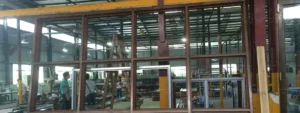
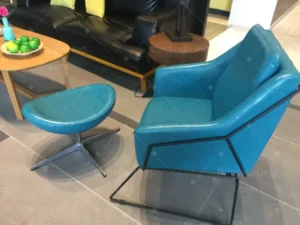
The photos in this section show part of the sourcing and supplier selection process. They represent the early work behind the project: finding suitable manufacturers, checking product direction, and building a supplier plan that could support the Australian office fit-out market.
We also considered the supplier’s attitude toward documentation and correction. For project procurement, a factory must be willing to confirm details in writing, follow approved samples, adjust problems found during inspection, and pack products according to export requirements. A low price is not enough if the supplier cannot cooperate with a professional procurement process. This is why FBM Sourcing filters suppliers through both product capability and project execution ability.
Planning a similar commercial project?
FBM Sourcing works with project owners, developers, main contractors and FF&E contractors on hotel, apartment, school, office and other commercial building projects. Send us your BOQ, drawings or product list — our team will review it and get back to you.
After selecting suitable factories, the client provided drawings and sample requirements for the office furniture. FBM Sourcing coordinated sample development with the selected suppliers. For commercial office projects, sample approval is a necessary checkpoint because it allows the buyer to confirm design, comfort, structure, materials, color, and workmanship before bulk production begins.
We followed up with each factory during sample production, checked whether the samples matched the client’s requirements, and arranged sample shipment for approval. When details needed adjustment, we communicated with the supplier and helped refine the product before the final order. This reduced the risk of discovering problems only after mass production.
Sample development also created a shared standard for inspection. Once the client approved the samples, the same details could be used as reference points during bulk production and quality control. For office furniture from China, this is important because photos and catalogues are not enough. The buyer needs confirmed samples, clear specifications, and supplier accountability before committing to a large commercial order.
After the client approved the samples, FBM Sourcing organized the bulk order and production schedule. We signed purchase contracts with each factory and confirmed product details, quantities, quality standards, delivery dates, packing requirements, payment terms, and after-sales responsibility. Clear written confirmation helped prevent misunderstandings during production.
Because the order included furniture from multiple specialized factories, schedule management was essential. If one supplier delayed production, it could affect inspection, consolidation, loading, and shipping. Our team tracked production progress, requested updates, clarified technical questions, and coordinated the timeline so the goods could be prepared for container loading together.
For project procurement, production follow-up is not only about asking whether goods are finished. It also means checking that the supplier is producing according to approved samples and confirmed specifications. We monitored key details such as finish, size, fabric, hardware, color consistency, packing, and quantity. This helped the Australian client keep better control over a complex office furniture procurement order from overseas.
We also maintained communication between the client and suppliers when questions appeared during production. If a factory needed confirmation on a material, finish, or structure detail, our team translated the issue into clear options and helped the client make decisions quickly. This avoided unnecessary delays and reduced the chance of factories making assumptions without approval. For time-sensitive office fit-out projects, responsive production follow-up is a key part of procurement risk control.
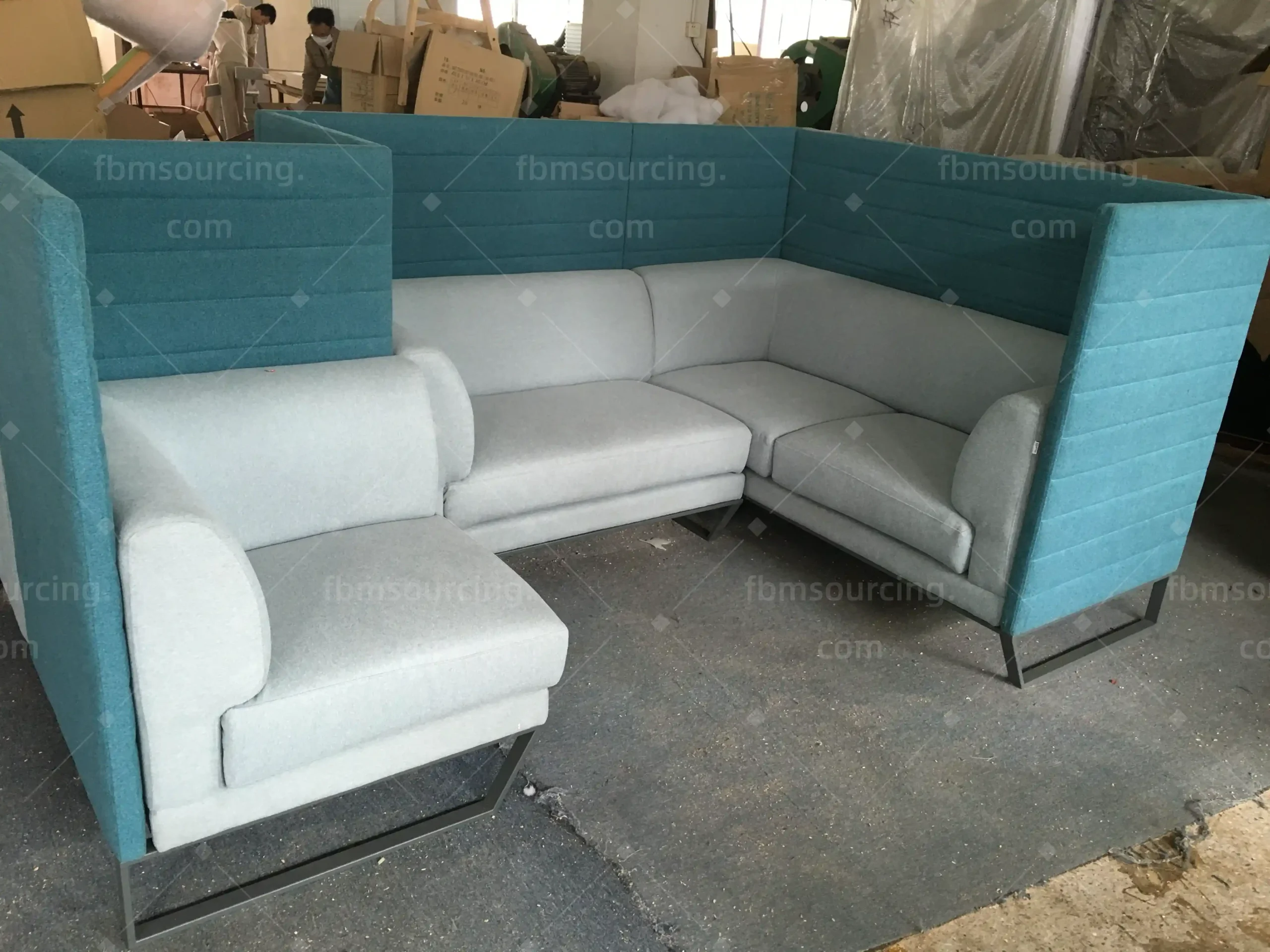
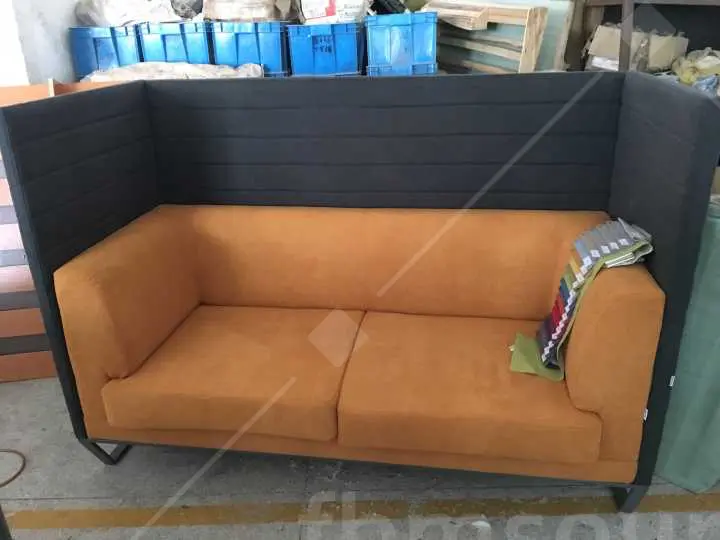
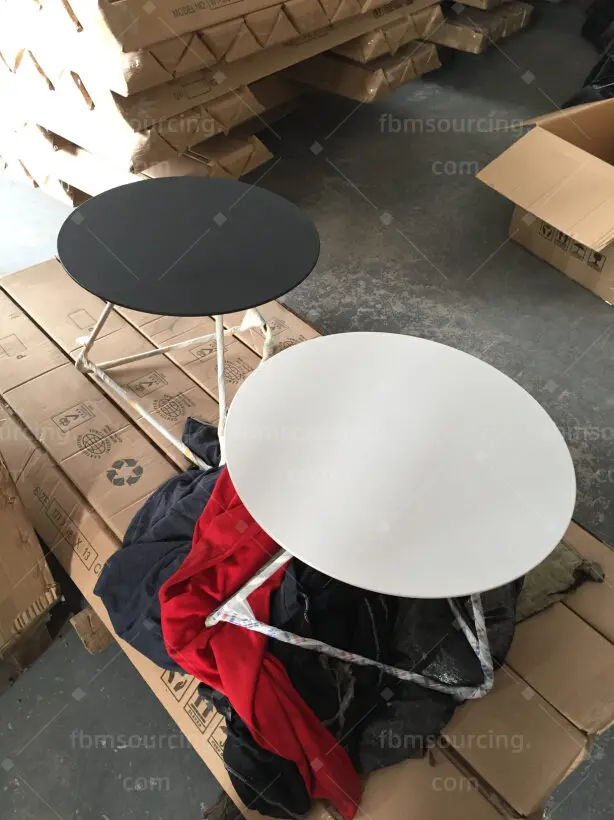
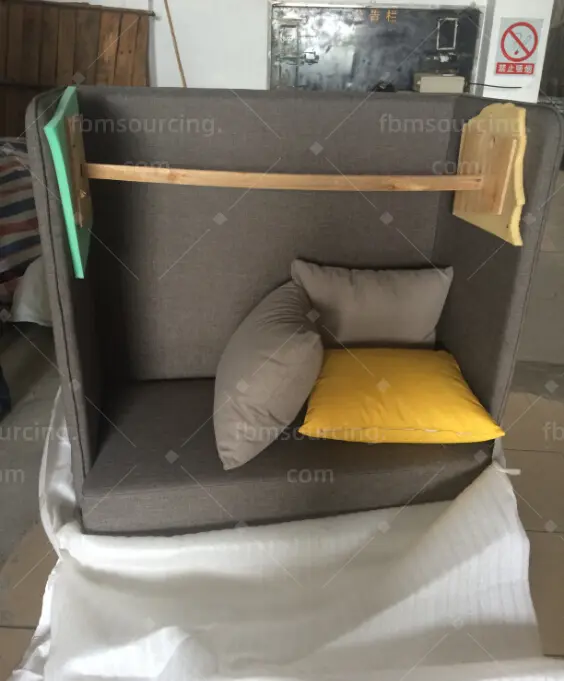
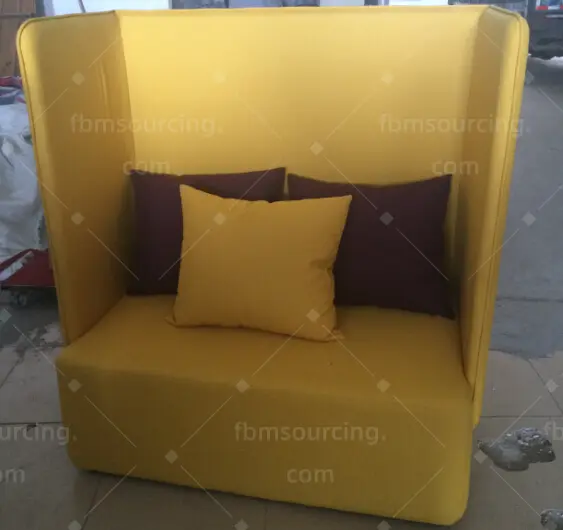
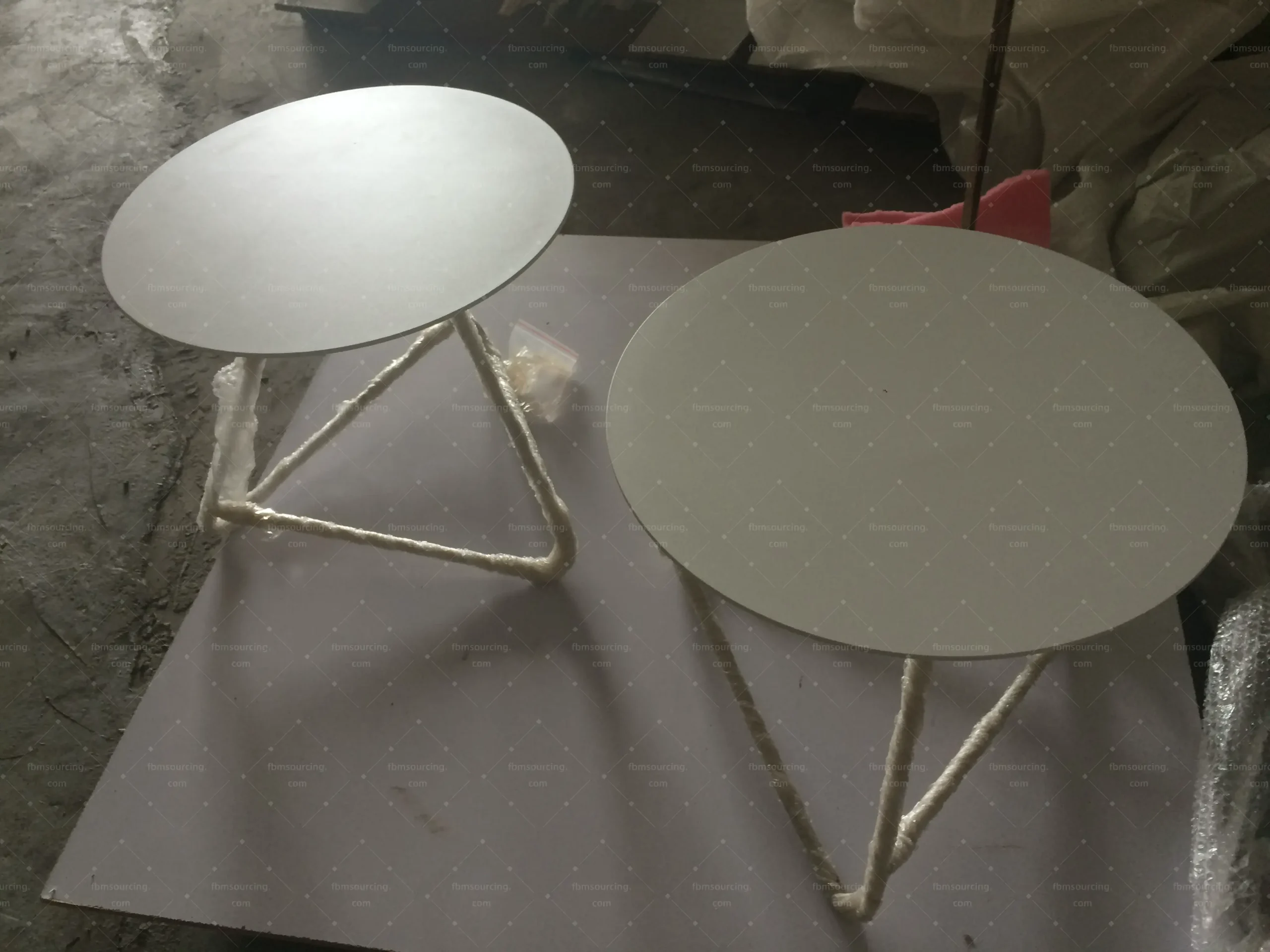
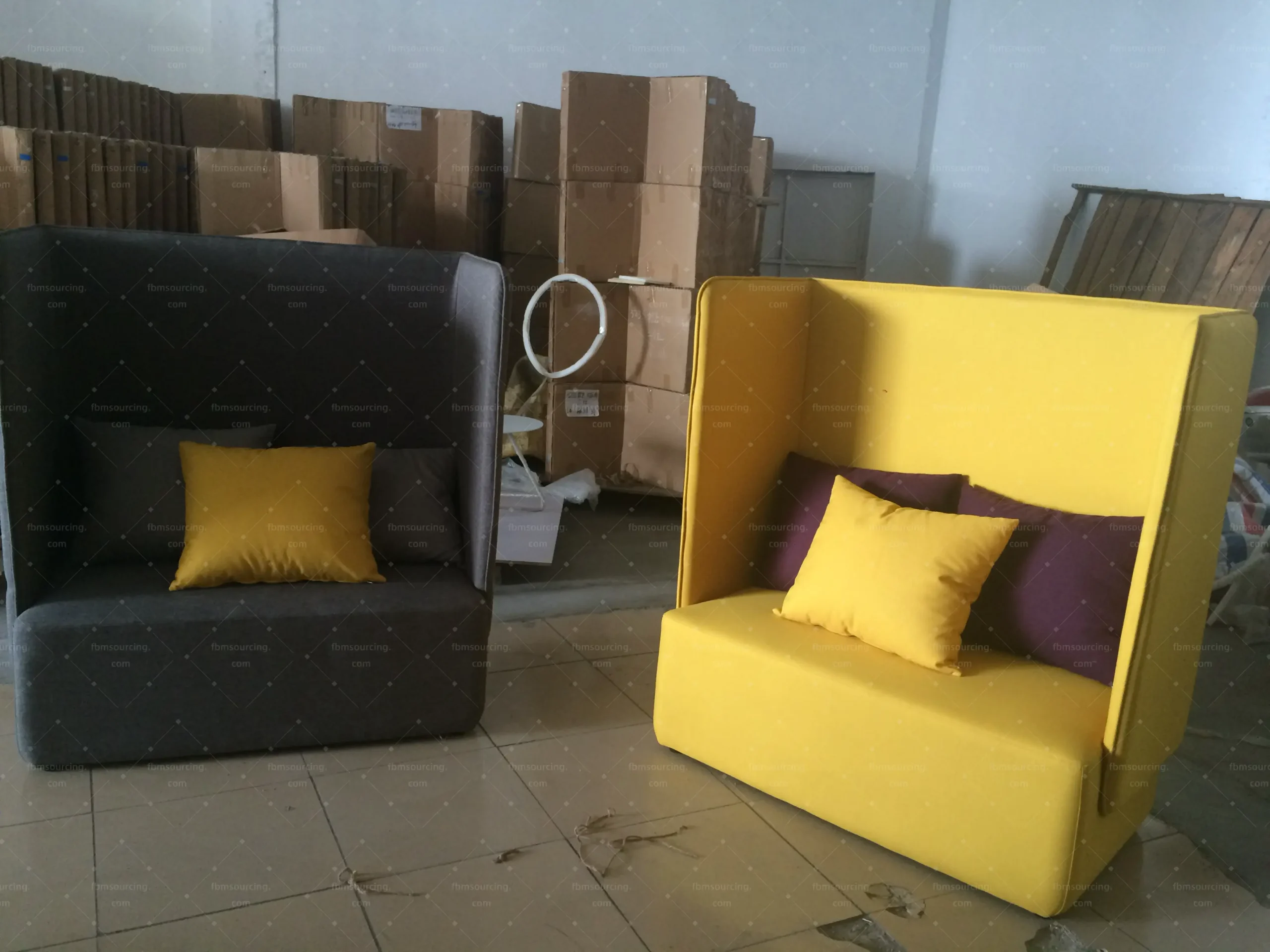
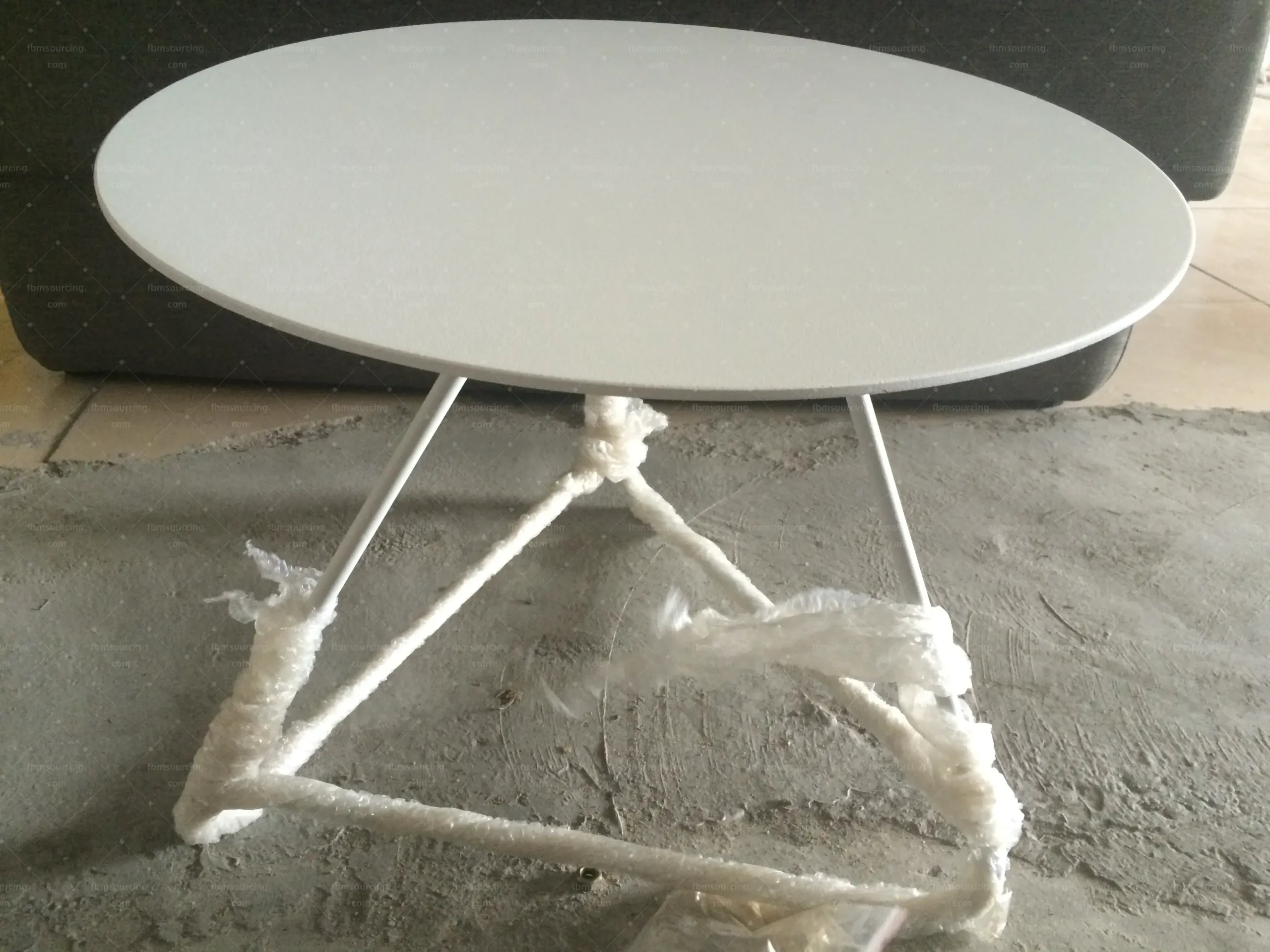
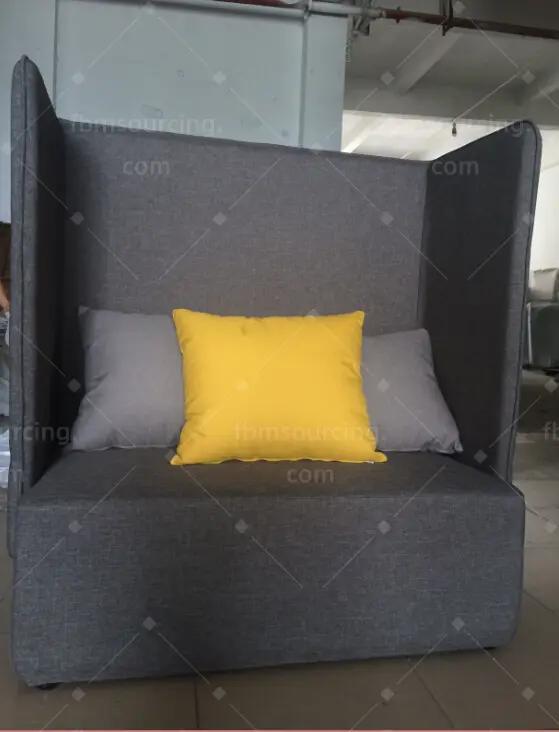
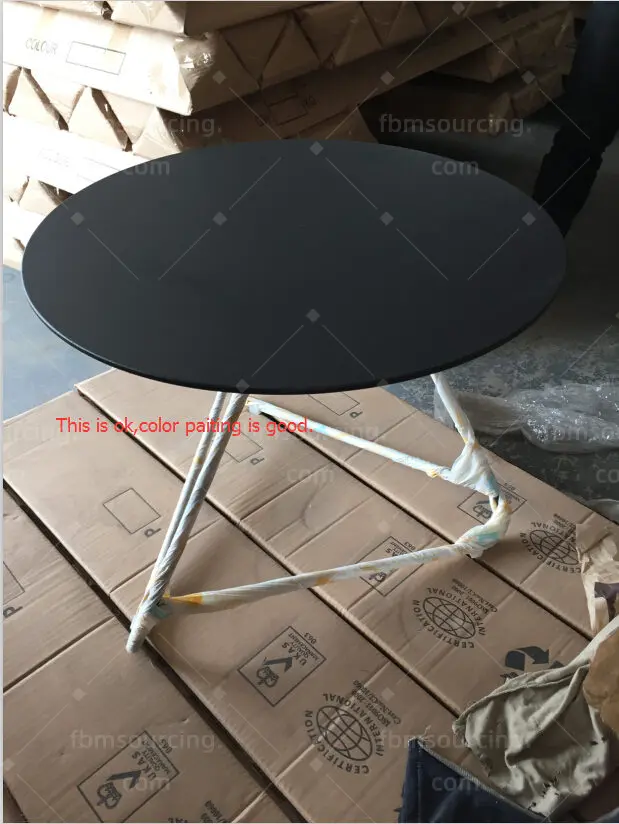
When bulk production was completed, FBM Sourcing arranged quality inspection at each factory. The inspection covered appearance, dimensions, structure, finish, hardware, accessories, quantity, carton marks, and packing condition. For reception sofas, we checked visible workmanship, upholstery, stitching, frame stability, comfort, and surface protection. For reception tables, desks, chairs, and cabinets, we checked size accuracy, hardware, surface finish, assembly condition, and export packing.
Quality inspection China service is a critical step for office furniture procurement. In many cases, small issues are found before shipment, such as missing accessories, incorrect quantities, surface scratches, weak packing, color differences, or details that do not match the approved sample. Finding these issues in China gives suppliers time to repair, replace, or repack goods before they leave the factory.
FBM Sourcing prepared inspection records and shared photos with the client for review. When issues appeared, we communicated with suppliers and followed up until the correction was completed. This process gave the Australian client more confidence before balance payment and container loading. It also reduced after-sales risk after the furniture arrived at the project site.
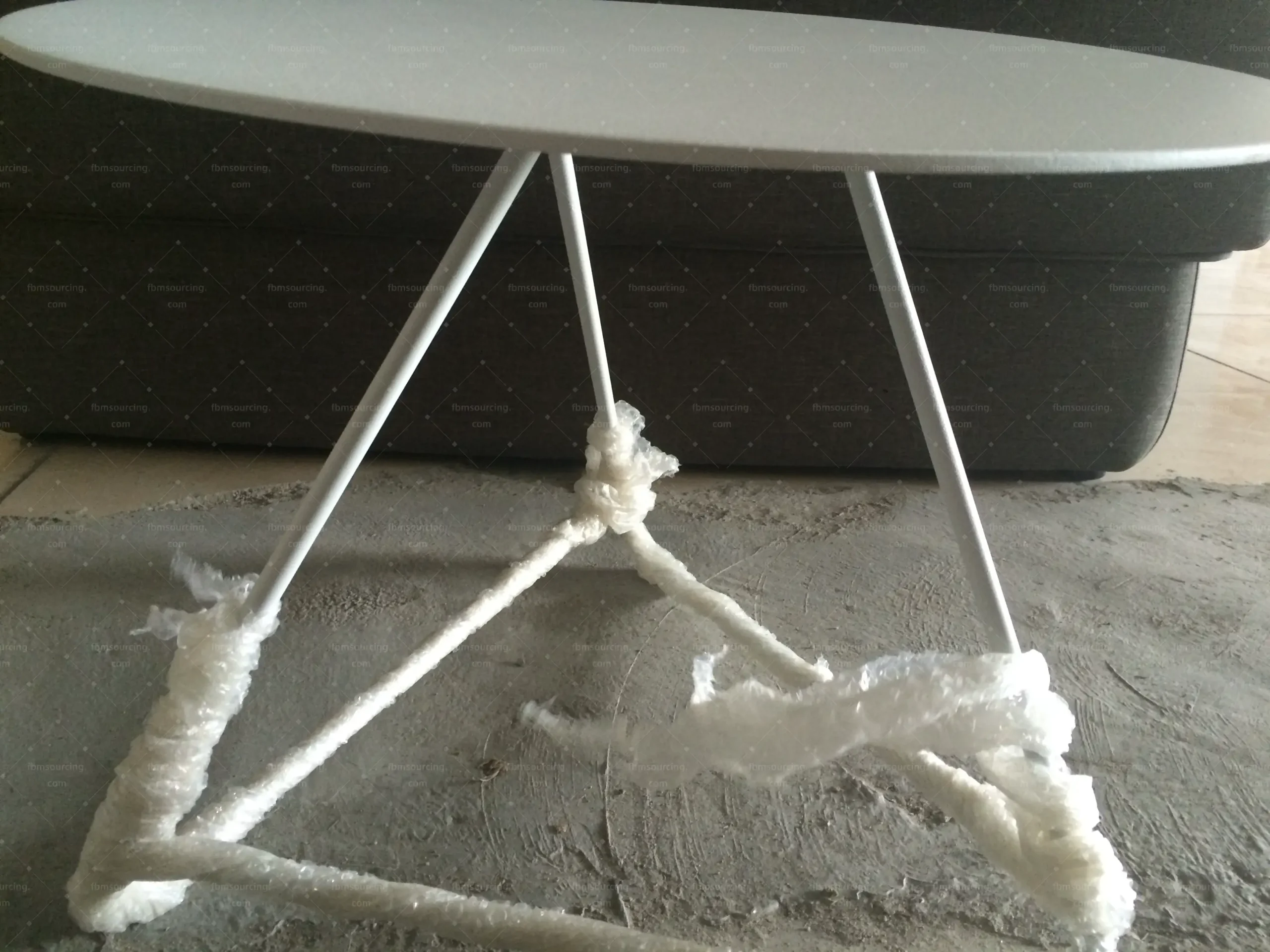
The inspection photos in this section show the practical work behind the case. For companies comparing furniture sourcing agents or procurement consulting services, this stage is one of the clearest signs of whether a sourcing partner can protect project quality.
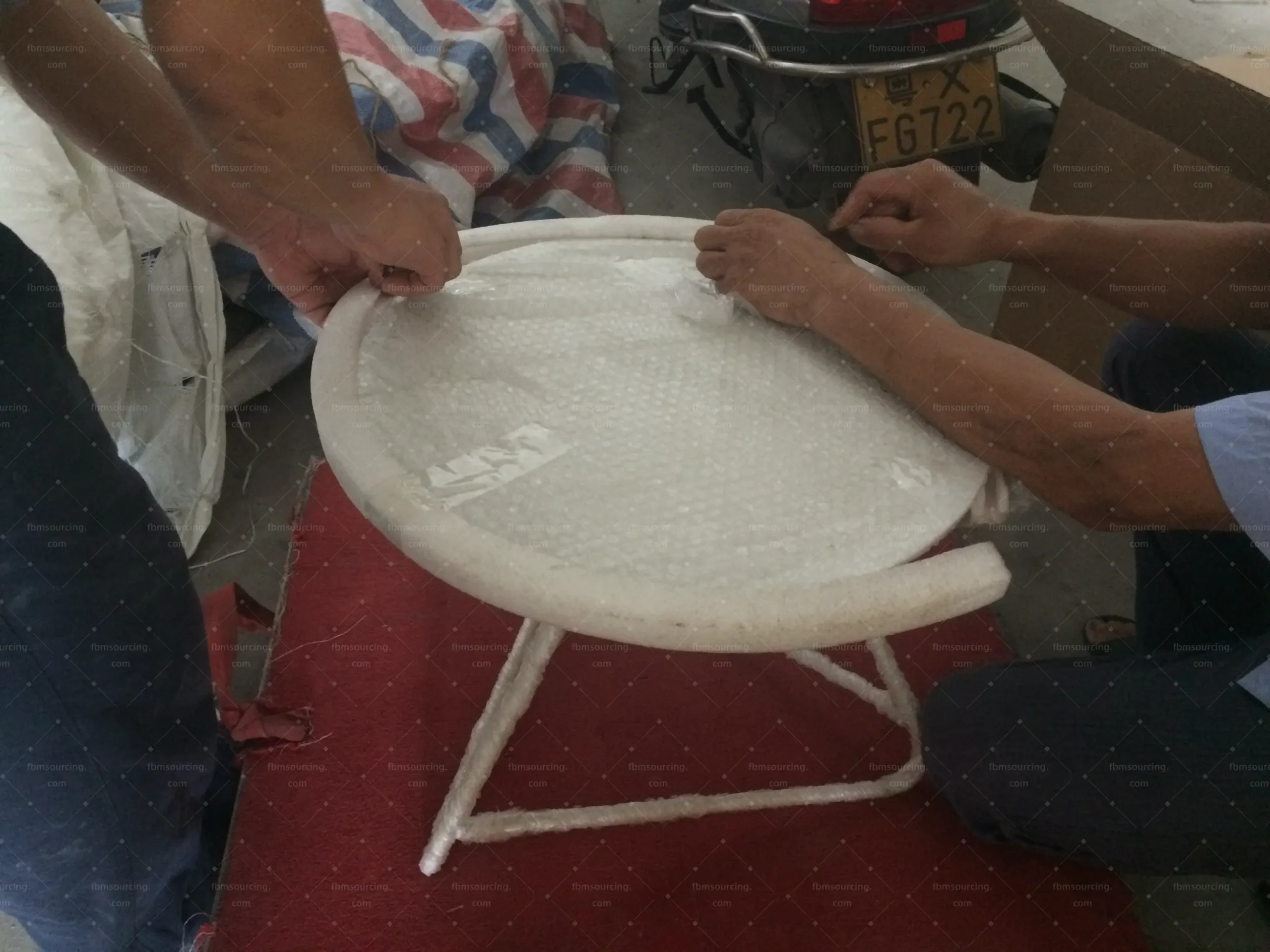
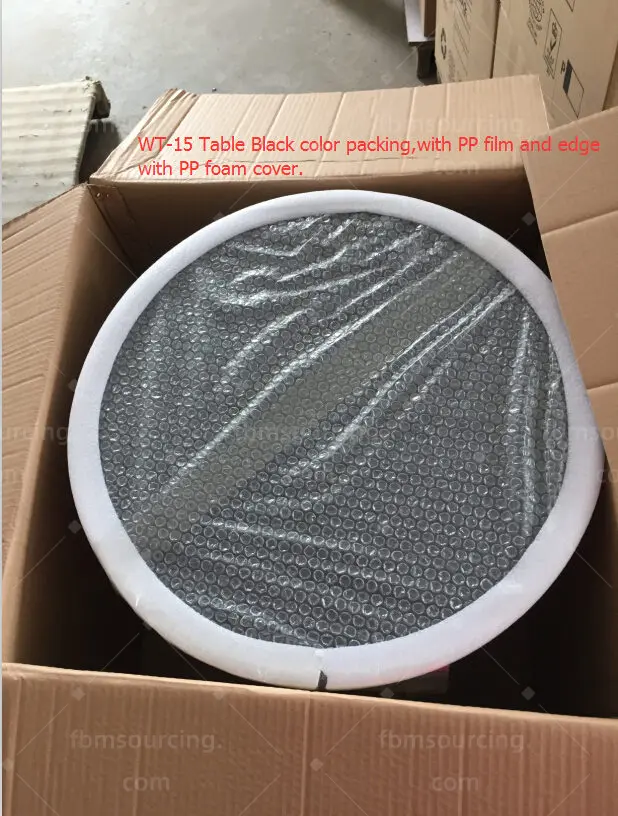
For commercial furniture, packing inspection is just as important as product inspection. Office desks, reception tables, sofas, and cabinets can be damaged if corners, surfaces, legs, glass, or hardware are not protected correctly. We checked whether cartons, foam, wood frames, labels, and accessory bags were suitable for export. This helped reduce damage risk during long-distance shipping from China to Australia.



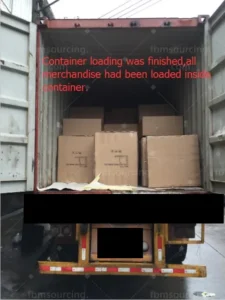
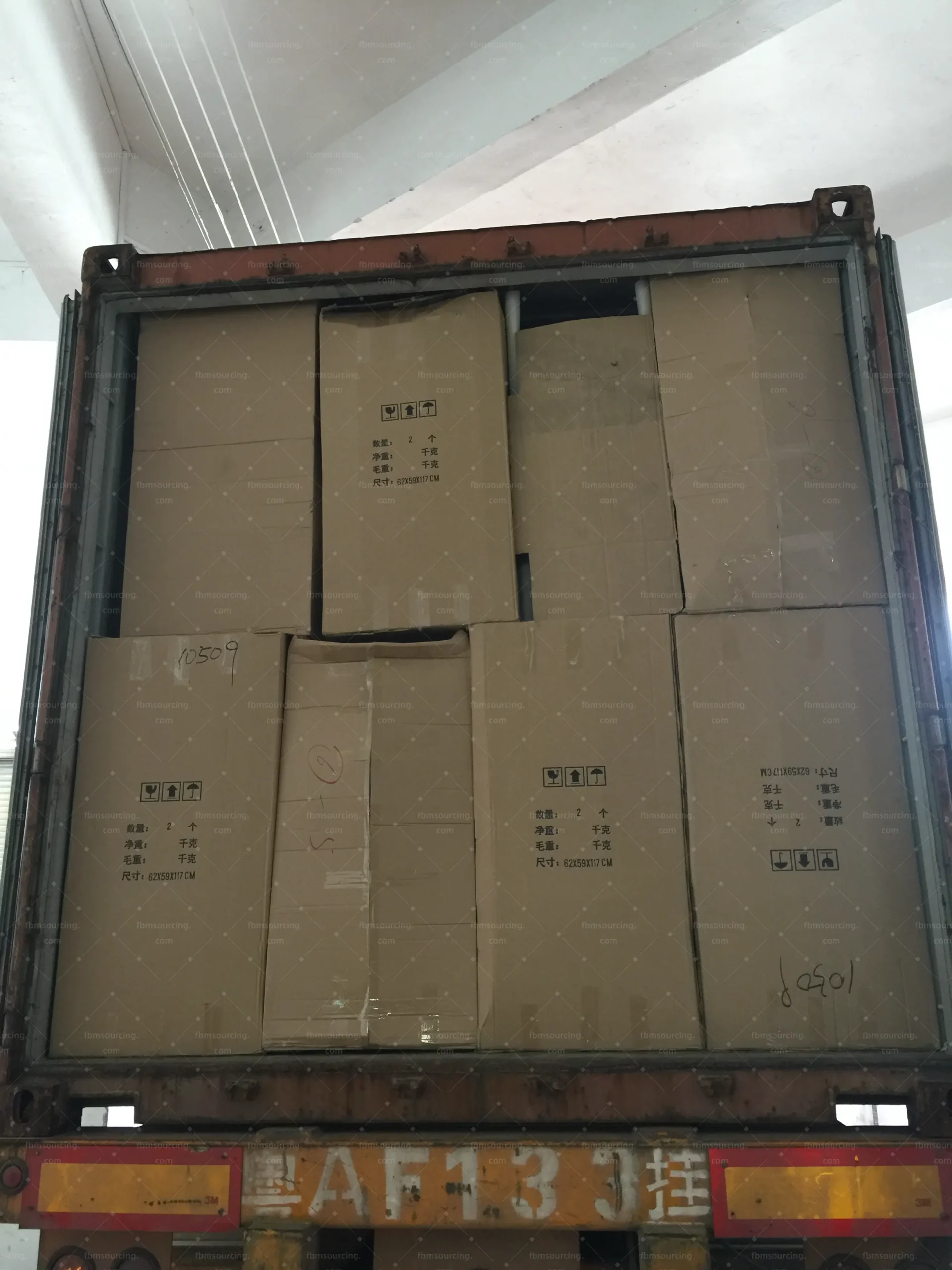
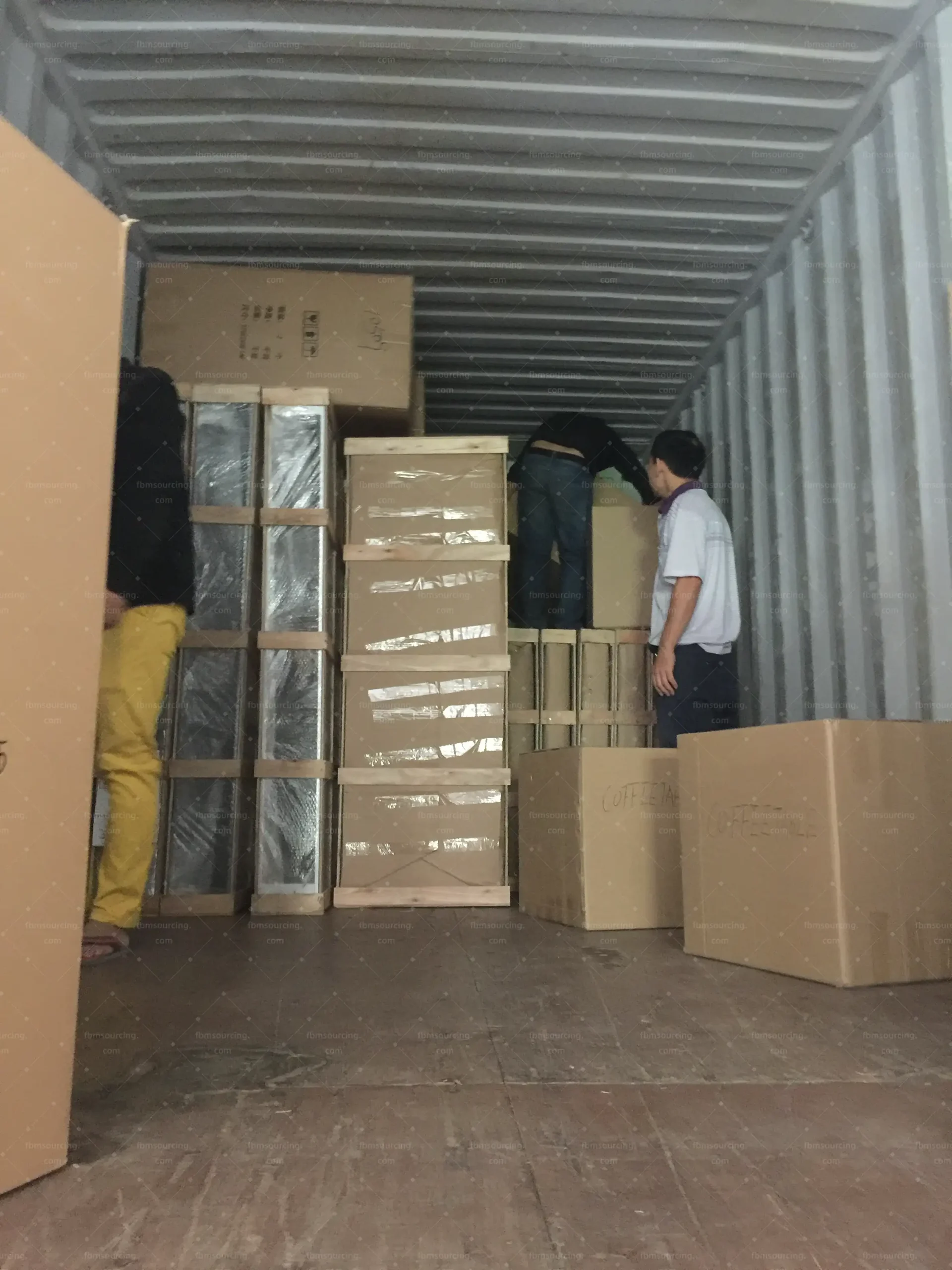
After inspection and corrections, FBM Sourcing consolidated the office furniture and arranged container loading. The final shipment included 3 x 40HQ containers. Because the goods came from several factories and included different product types, loading needed to be planned carefully. Sofas, chairs, filing cabinets, desks, tables, and carton-packed accessories all have different handling and protection requirements.
Our team checked container condition, supervised loading order, recorded loaded goods, and made sure the cargo was arranged safely. Good loading protects the furniture during international transport and also helps the client identify goods after arrival. For mixed office furniture shipments, loading records are valuable because they connect each supplier’s products with the final container shipment.
We provided the client with loading photos and shipment information, giving them visibility before the containers left China. This final step connected supplier selection, sample approval, production follow-up, quality inspection, and export shipping into one complete procurement service. For Australian office fit-out companies importing furniture from China, this kind of local coordination makes repeated project purchasing easier to manage.

FBM Sourcing continued to support the client after shipment with documentation, supplier communication, and after-sales follow-up. Commercial office projects often involve repeated orders, so keeping supplier records, inspection reports, loading photos, and product specifications organized is important for future purchasing and issue handling.
We sign after-sales agreements with manufacturers and hold suppliers accountable for quality problems caused during production or packing. If the client reports an issue after delivery, our team can check the order record, communicate with the supplier, and help arrange a practical solution. This is especially useful for long-term office furniture procurement because the same client may need similar reception tables, sofas, chairs, desks, and storage furniture for future projects.
This Australian office case shows why overseas project buyers need more than a product supplier. They need a procurement system that can connect sourcing, sample development, supplier management, quality control, container loading, and after-sales support. FBM Sourcing provides that China-side support for office furniture, commercial furniture, FF&E furniture, hospitality furniture, and other project procurement needs.
For construction companies, designers, and developers planning office furniture procurement from China, the same workflow can be adapted to different budgets, styles, and project schedules. The goal is to source reliable products with better quality visibility, clearer communication, and less risk for the overseas buyer.
The long-term cooperation in this case also reflects FBM Sourcing’s role beyond a single order. We help overseas project buyers build a repeatable procurement channel in China. Once supplier standards, sample references, inspection methods, and shipping procedures are established, future projects can move faster and with fewer uncertainties. That is especially valuable for construction and fit-out companies that need dependable office furniture sourcing for multiple commercial projects.
Have a similar project on your desk?
Send us your BOQ, drawings or product list — our team will review it and get back to you. Every order is inspected by FBM Sourcing’s own team at the factory before shipment, with photo and video records.