P HOUSE BAHAMAS Building Materials and FF&E Procurement Case Study
Bahamas residential building materials and FF&E procurement case with China sourcing, supplier follow-up, QC attention and shipment preparation.

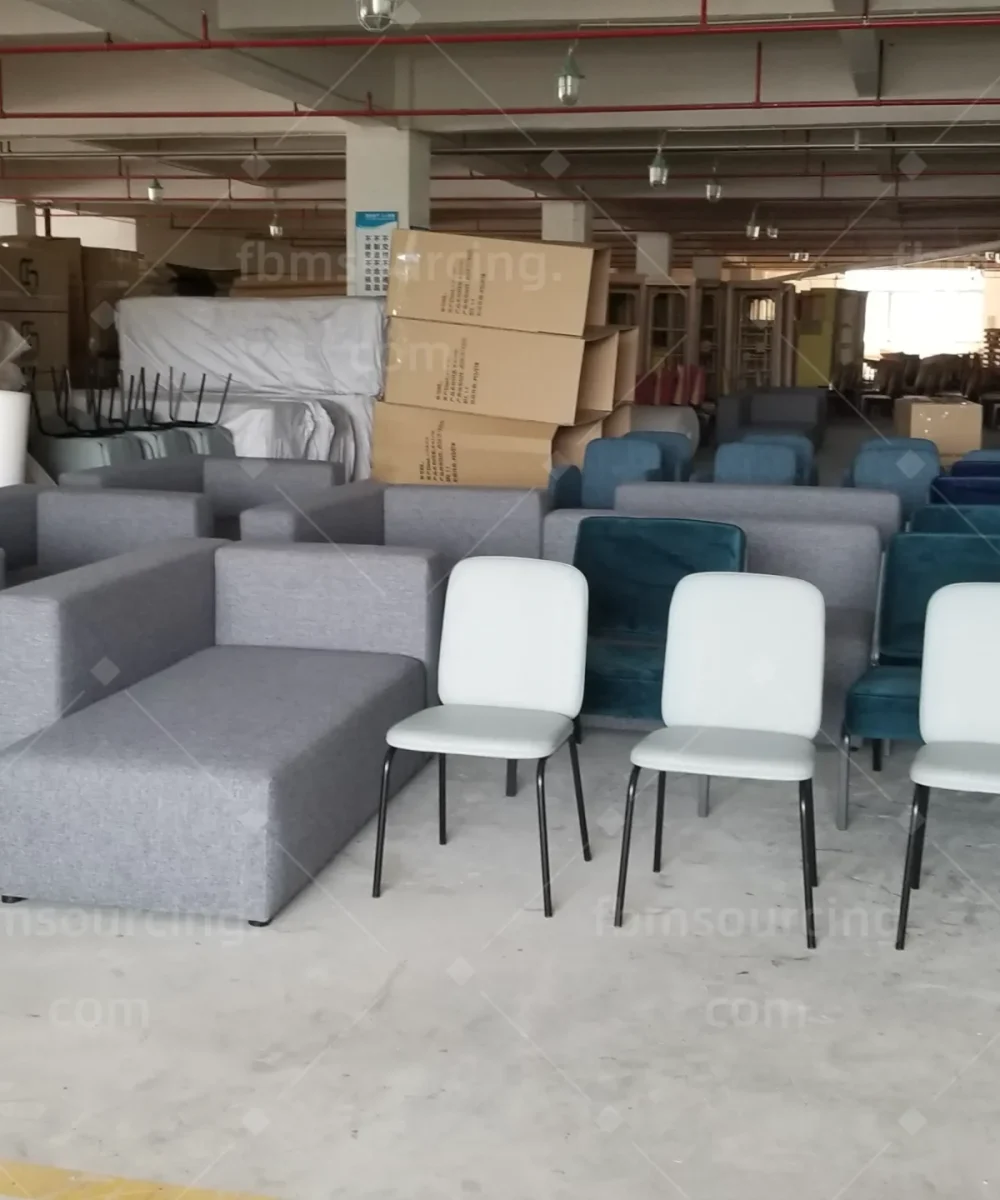
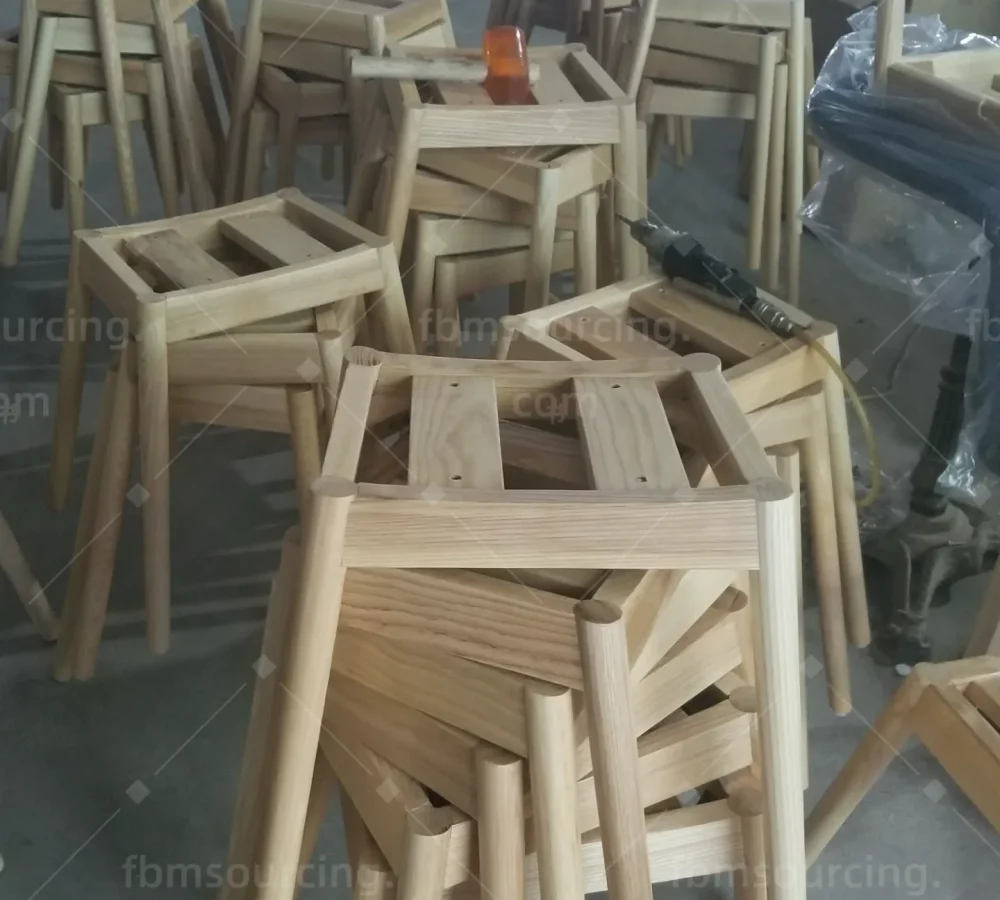
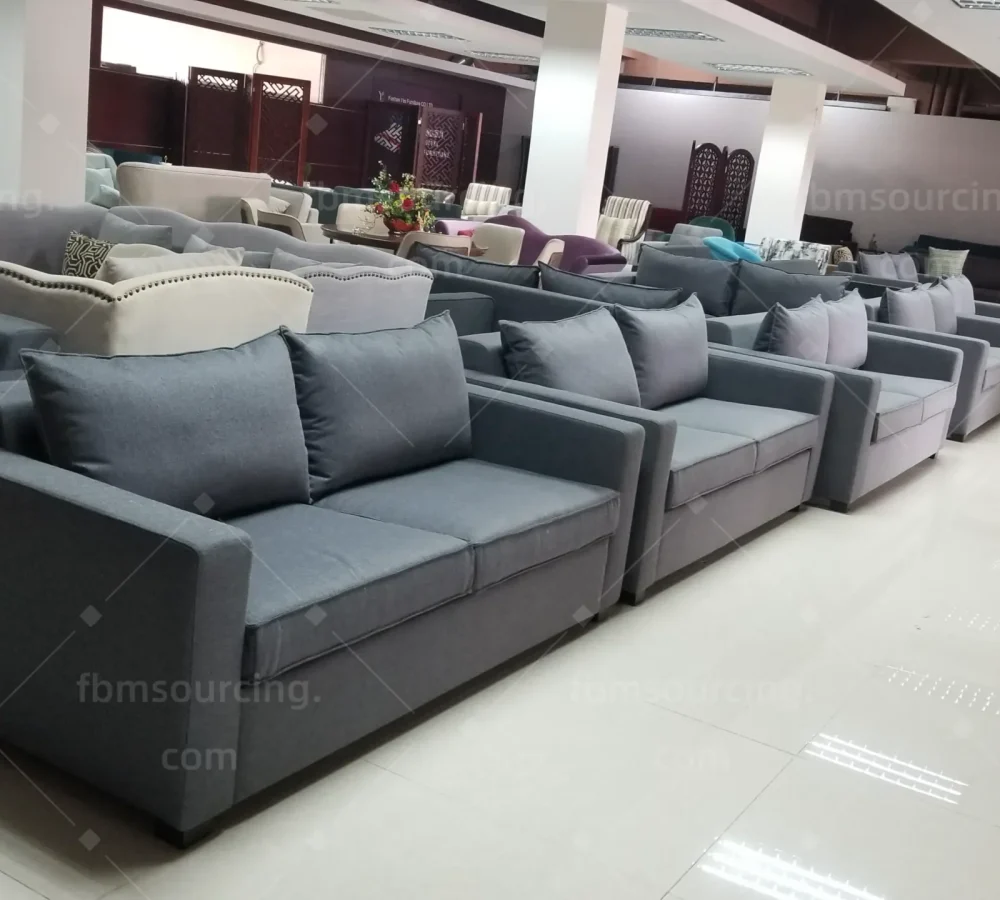
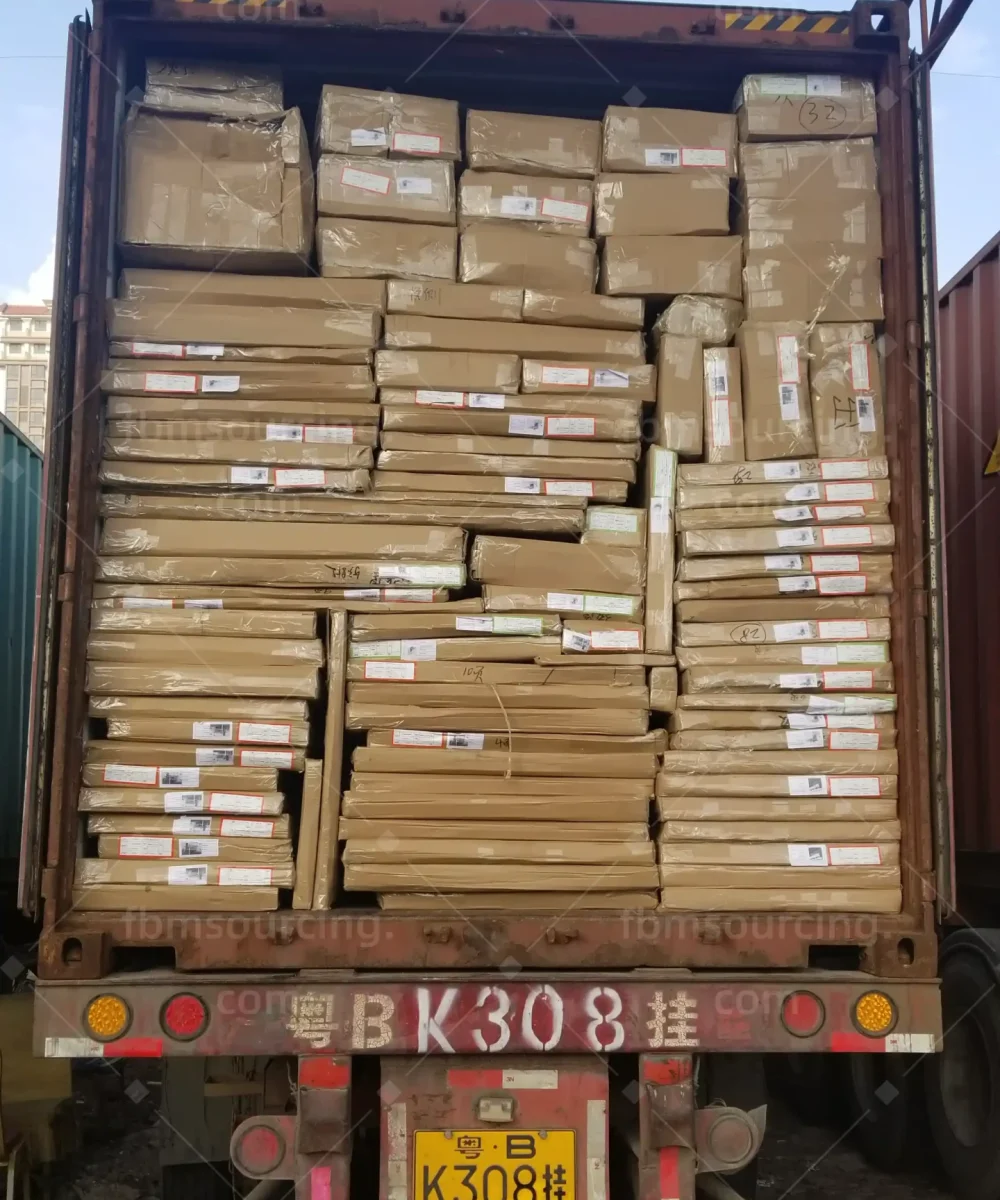
Bahamas residential building materials and FF&E procurement case with China sourcing, supplier follow-up, QC attention and shipment preparation.
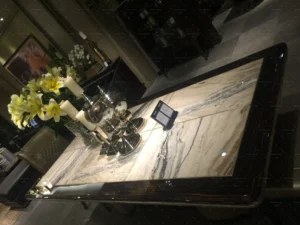
Russia villa building materials and furniture procurement case showing China sourcing, supplier coordination and shipment preparation.
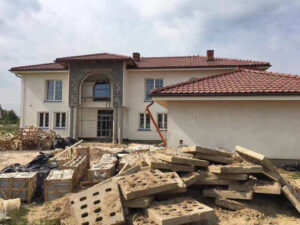
Poland villa furniture and building materials procurement case showing China market sourcing, supplier coordination and export support.
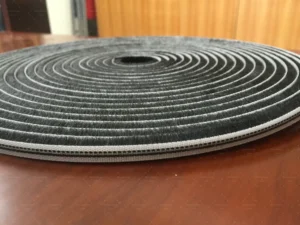
Argentina wholesaler customized wardrobe weather strip procurement case covering supplier matching, specification control and shipment preparation.

Five-star hotel building materials procurement case in a hurricane-zone project, covering China sourcing, QC and shipment coordination.
Real footage from our factory audits and pre-shipment QC as a kitchen cabinet sourcing agent for commercial projects: automated panel lines, quartz countertop inspection and export packing for apartment and hotel orders.

How Do You Keep an 800-Unit Cabinet Order From Getting Mixed Up?
Every panel in this factory is cut, edged and sorted by machine before a hand ever touches it — which is exactly what you want when your project needs eight hundred identical cabinets. I'm Spring from FBM Sourcing, a kitchen cabinet sourcing agent for commercial projects. We source cabinets, wardrobes and countertops for apartment towers, hotels and multi-unit developments. Today I'm walking you through one of the largest cabinet plants we work with in China — a factory that builds for major brands — and I'll show you what that scale actually means for your project. The flat-panel line runs like this all day. Boards are cut to your order file, then fed through edgebanding machines that glue, trim and buff each edge in one pass. The coil racks behind hold dozens of banding colours, so your specification runs without changeovers. From there, automated conveyors and turntables sort every panel to its order batch. No hand sorting means no mixed-up units when nine hundred flat-packs arrive at your site. Assembly here is organised by line, not by individual craftsman. Line one builds doors and fronts on benches, and line two boxes cabinet parts for flat-pack orders. And here is a detail most factories cannot do: curved wardrobe doors, formed and finished in-house. Curved fronts are a signature item in hotel rooms and high-end apartments, and having them made on the same floor as the carcasses keeps finishes matched and lead times on one schedule. Countertops get their own workshop. Quartz slabs are cut with sink and hob cutouts to your kitchen drawings, then move to sorting tables where every piece is matched against its order. In the QC area, inspectors go over edges, cutouts and surface finish piece by piece. On a project order we add our own layer on top: dimensions checked against the approved shop drawings, cutout positions verified for the actual sinks and taps in your specification, and photos of every countertop before it is crated. Packing here is built for export, not for domestic delivery. Curved doors are wrapped individually at the bench. Panels are film-wrapped and set into timber crates, countertops are crated on edge, and every crate carries a numbered label keyed to the packing list. This is what protects your project when the goods cross an ocean and then sit on a job site for a month. And this is the part I most want project buyers to see: the dispatch floor. Rows of pallet trucks on floor rails, each one a packed order moving toward a loading bay. A factory this size ships containers every day, and that matters to you in two ways. First, capacity — a three-hundred-unit apartment order does not overwhelm the schedule. Second, consistency — complete orders stage together in the export area, so your containers load complete, not in dribbles spread across three months. Three takeaways if you are sourcing cabinets for a project. One — ask how panels are sorted; automated sorting is what keeps eight hundred units from getting mixed. Two — get countertop QC against shop drawings, not just a visual check. Three — confirm export packing and complete-order staging before you sign, because factory quality only counts if it arrives intact. Fitting out an apartment tower, hotel or office project? Send us your drawings and BOQ — the link is below.

How Does a Cabinet Factory Sort 800 Panels Without Mixing Orders?
This panel is starting its run through an edgebanding machine — glue, trim and buff in one pass, a few seconds per edge. Upstream, boards are cut to the order file. Downstream, automated conveyors and turntables sort every panel to its batch. Why should a project buyer care? Because when you order eight hundred flat-pack cabinets for an apartment tower, machine sorting is the difference between clean unit-by-unit delivery and a site team hunting for missing panels. We audit lines like this as a kitchen cabinet sourcing agent. Project coming up? Send us your BOQ — link below.

What QC Catches a Wrong Countertop Cutout Before It Ships?
Every one of these quartz countertops is cut to a specific kitchen drawing — and one wrong cutout means a plumber standing idle on your site. So here is the QC that matters on a project order. Each piece is matched against its order at the sorting tables. Inspectors go over edges, cutouts and surface finish one by one. And before crating, we verify dimensions against the approved shop drawings and confirm cutout positions for your actual sinks and hobs. Fitting out apartments or a hotel? Send us your drawings and BOQ — link below.

How Does a Cabinet Factory Ship Containers Every Day?
This is the dispatch floor of a cabinet and wardrobe factory — pallet trucks on floor rails, every one a packed export order rolling toward a loading bay. Scale like this matters if you are buying for a project. It means a three-hundred-unit apartment order does not jam the schedule, and complete orders stage together, so your containers load complete — not spread across three months of partial shipments. We source cabinets and wardrobes from plants like this as a china sourcing agent for commercial builds. Planning one? Send us your BOQ — link below.

How Are Hotel Wardrobes Built and Packed to Survive Export?
These workers are boxing cabinet parts on assembly line two — every flat-pack in an export project comes down a line like this. Doors and fronts are built on line one, and curved wardrobe doors, the signature piece in hotel rooms, are formed and wrapped by hand right here. Then comes export packing: film wrap, timber crates, and numbered labels keyed to the packing list. Sea freight plus a month on a job site is brutal, and this packing is why finishes arrive intact. Sourcing wardrobes for a hotel or apartment project? Send us your BOQ — link below.
Planning a commercial project? Send us your drawings and BOQ or message us on WhatsApp.